

Landscape photography shows spaces within the world, sometimes vast and unending, but other times microscopic. Landscape photographs typically capture the presence of nature but can also focus on man-made features or disturbances of landscapes. Landscape photography is done for a variety of reasons. Perhaps the most common is to recall a personal observation or experience while in the outdoors, especially when traveling. Others pursue it particularly as an outdoor lifestyle, to be involved with nature and the elements, some as an escape from the artificial world.
Landscape photography shows spaces within the world, sometimes vast and unending, but other times microscopic. Landscape photographs typically capture the presence of nature but can also focus on man-made features or disturbances of landscapes.
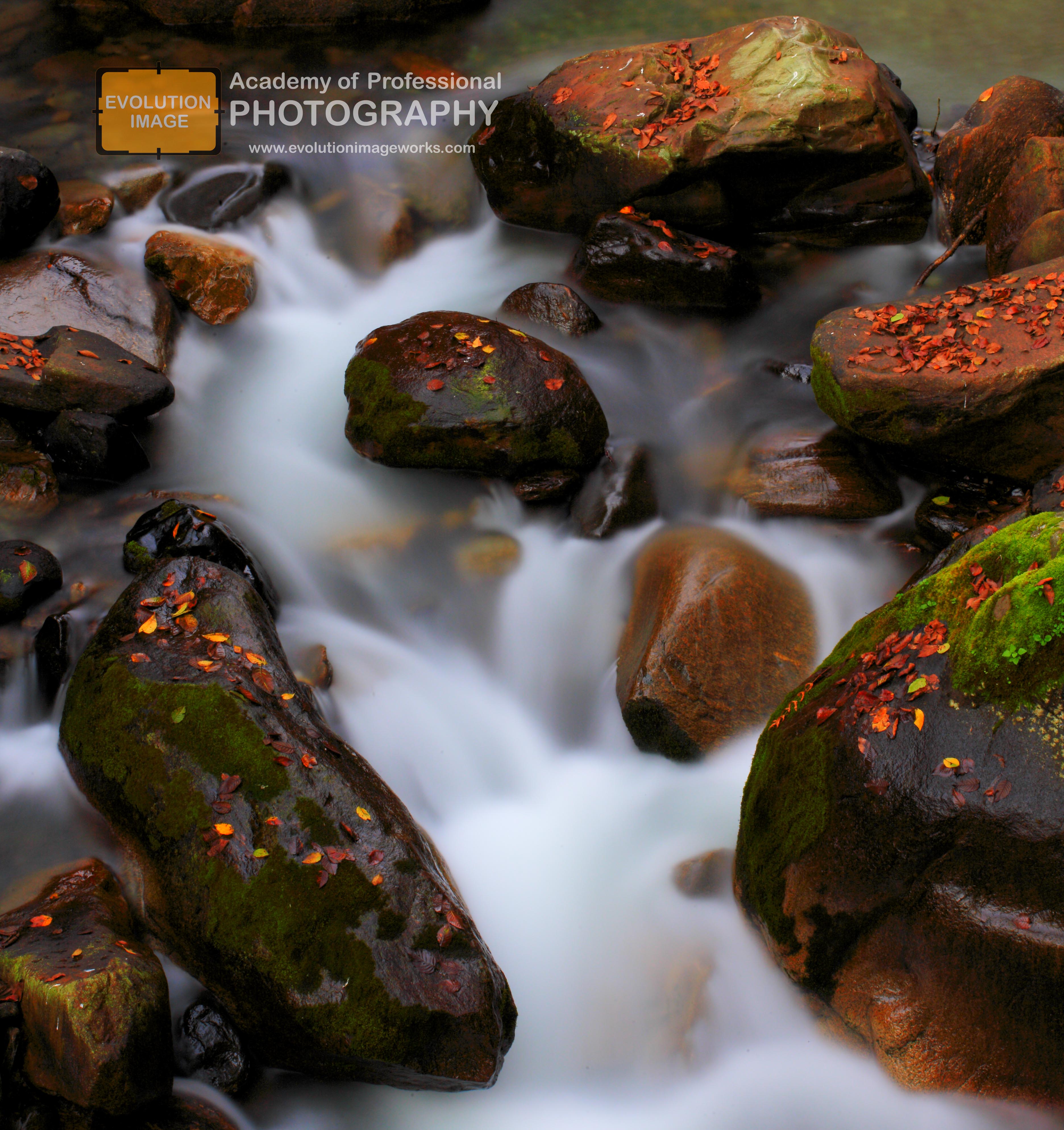
Why is landscaping important?
Landscapes and features are important because they contribute significantly to our well-being and quality of life. They provide the broader context within which we live our lives. Living within aesthetically pleasing and culturally meaningful landscapes enhances our sense of well being..
Why do people value landscapes?
They also believe that their ancestors live on through the land and ensure their continued connection with it. Landscapes contain many sacred sites of spiritual importance. … Land forms and landscapes around the world are valued by many different people for many different reasons.
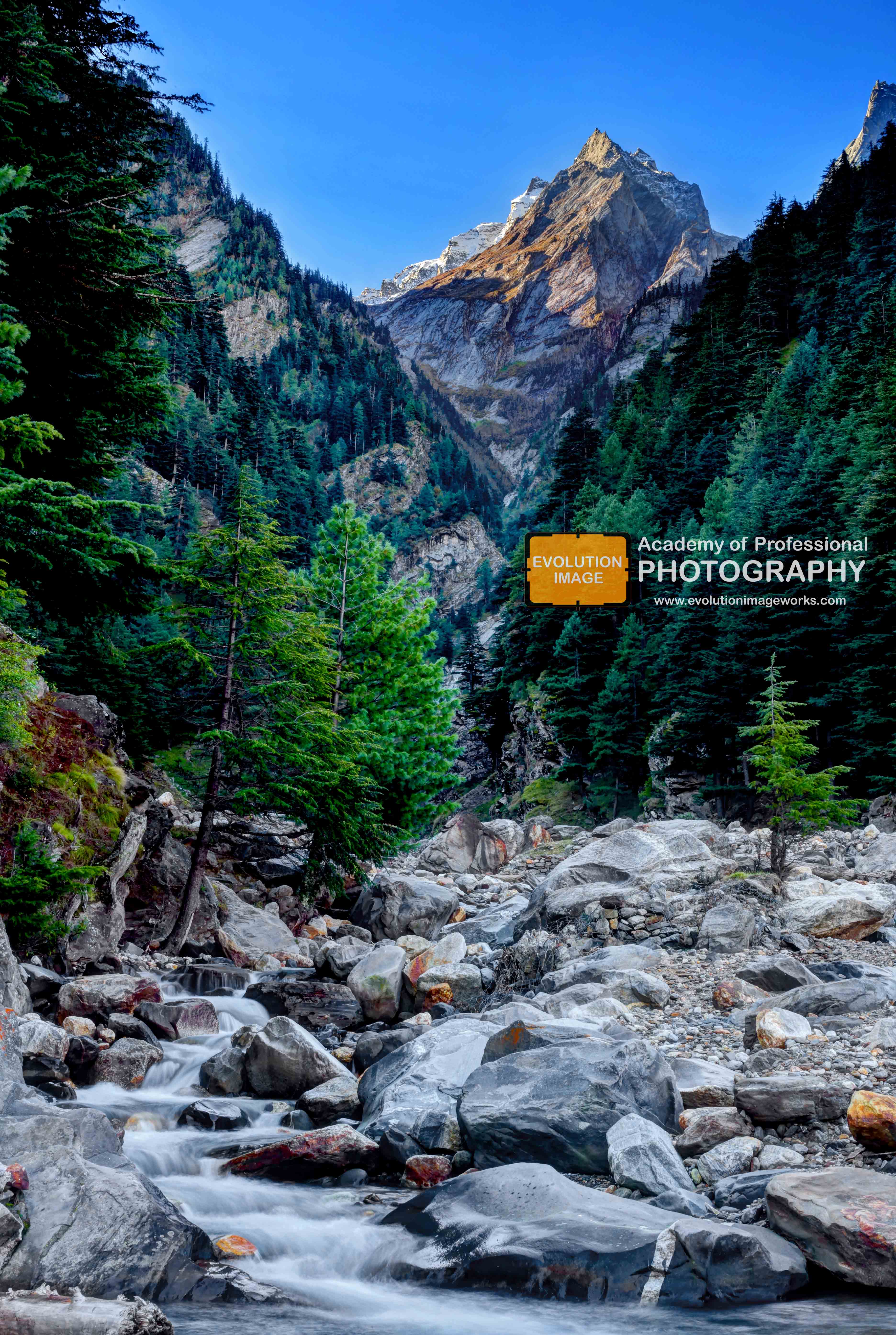
There are three major styles of landscape photography
- Representational (also known as straight descriptive style)
- Impressionistic.
- Abstract.
Many landscape photographs show little or no human activity and are created in the pursuit of a pure, unsullied depiction of nature, devoid of human influence—instead featuring subjects such as strongly defined land forms, weather, and ambient light. As with most forms of art, the definition of a landscape photograph is broad and may include rural or urban settings, industrial areas or nature photography.
Landscape photography commonly involves daylight photography of natural features of land, sky and waters, at a distance—though some landscapes may involve subjects in a scenic setting nearby, even close-up, and sometimes at night.
Photography of artificial scenery, such as farm fields, orchards, gardens and architecture, may be considered “landscape” photography as well. Even the presence of man-made structures (buildings, roads and bridges, etc.) or art (such as sculpture) may be considered “landscape” if presented in artistic settings or appearing (or photographed) in artistic style.
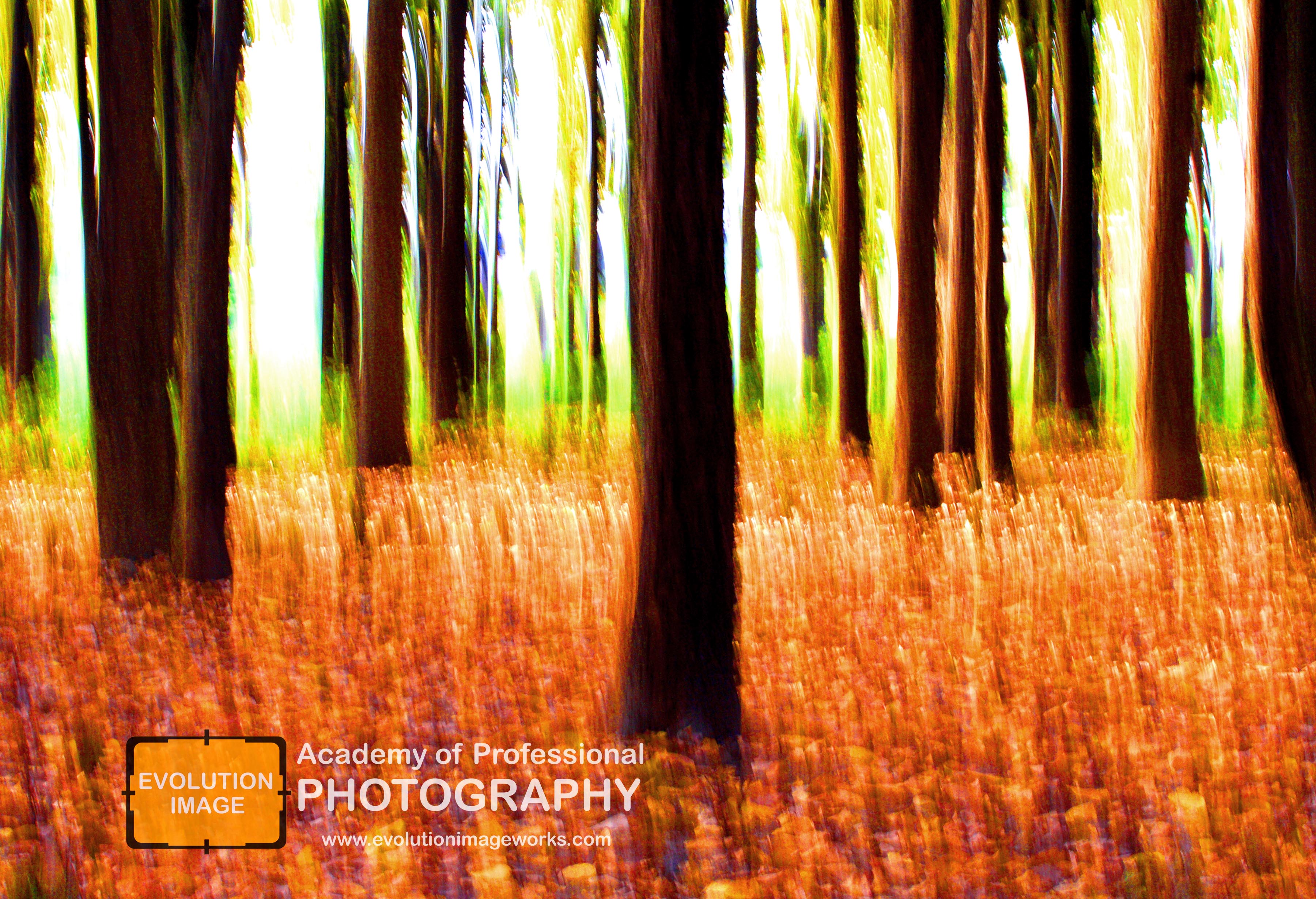
Further, landscape photography is typically of relatively stationary subjects—arguably a form of “still life.” This tends to simplify the task, as opposed to photography of kinetic or live subjects. However, landscape photography often overlaps the activity of wildlife photography and the two terms are used somewhat interchangeably; both wildlife and landscapes may be elements of the same picture or body of work.
Here are seven tips to help you with your landscape photography.
- Select a Mid-Range Aperture. …
- Choose a Low ISO. …
- Use a Tripod if You Need One. …
- Shoot During the Golden Hour. …
- Use a Polarizing Filter. …
- Compose a Good Landscape Photo. …
- Preparation Tips for Taking Great Landscape Photos.
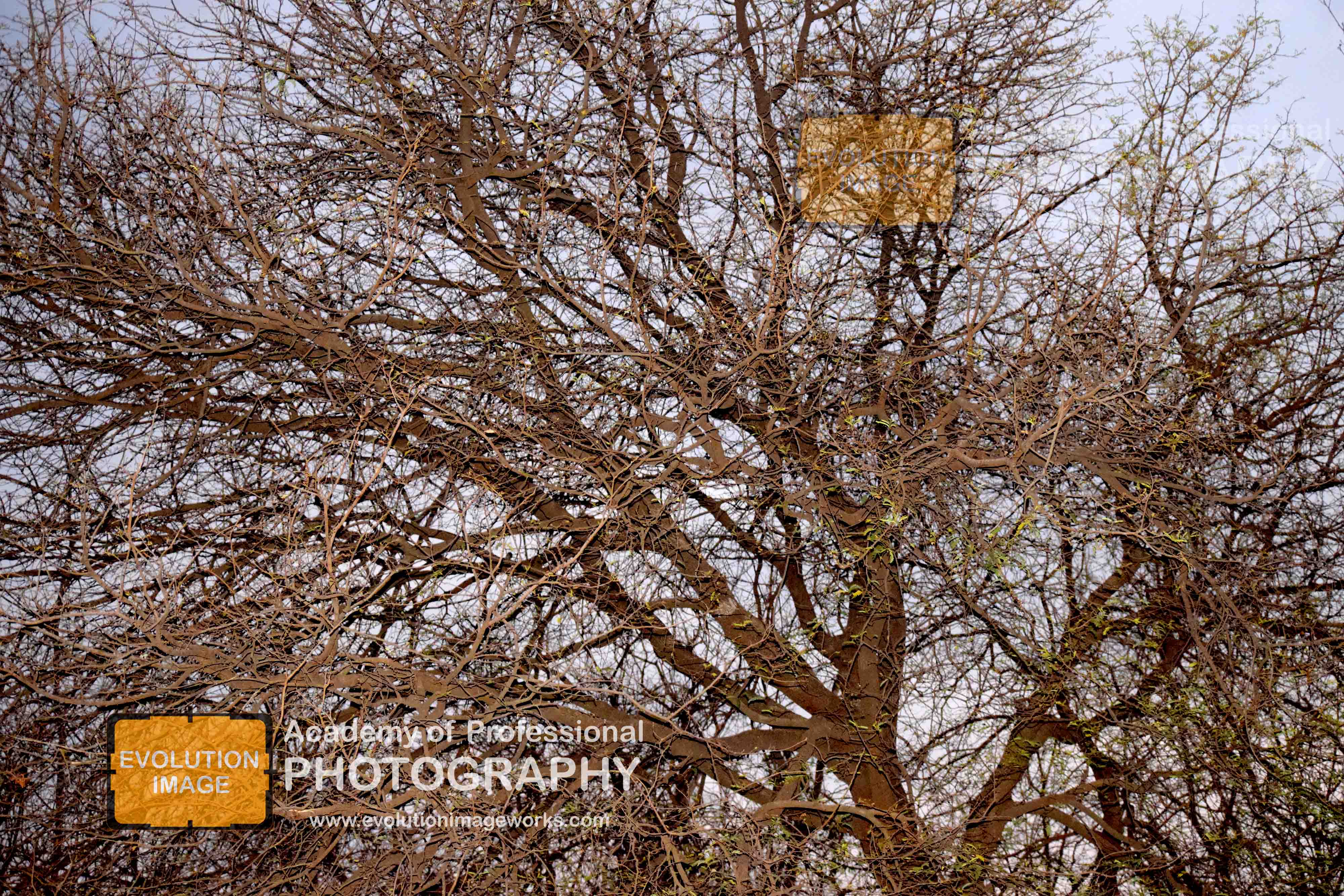
Methods (technical)
Landscape photography typically requires relatively simple photographic equipment, though more sophisticated equipment can give a wider range of possibilities to the art. An artist’s eye for the subject can yield attractive and impressive results even with modest equipment.
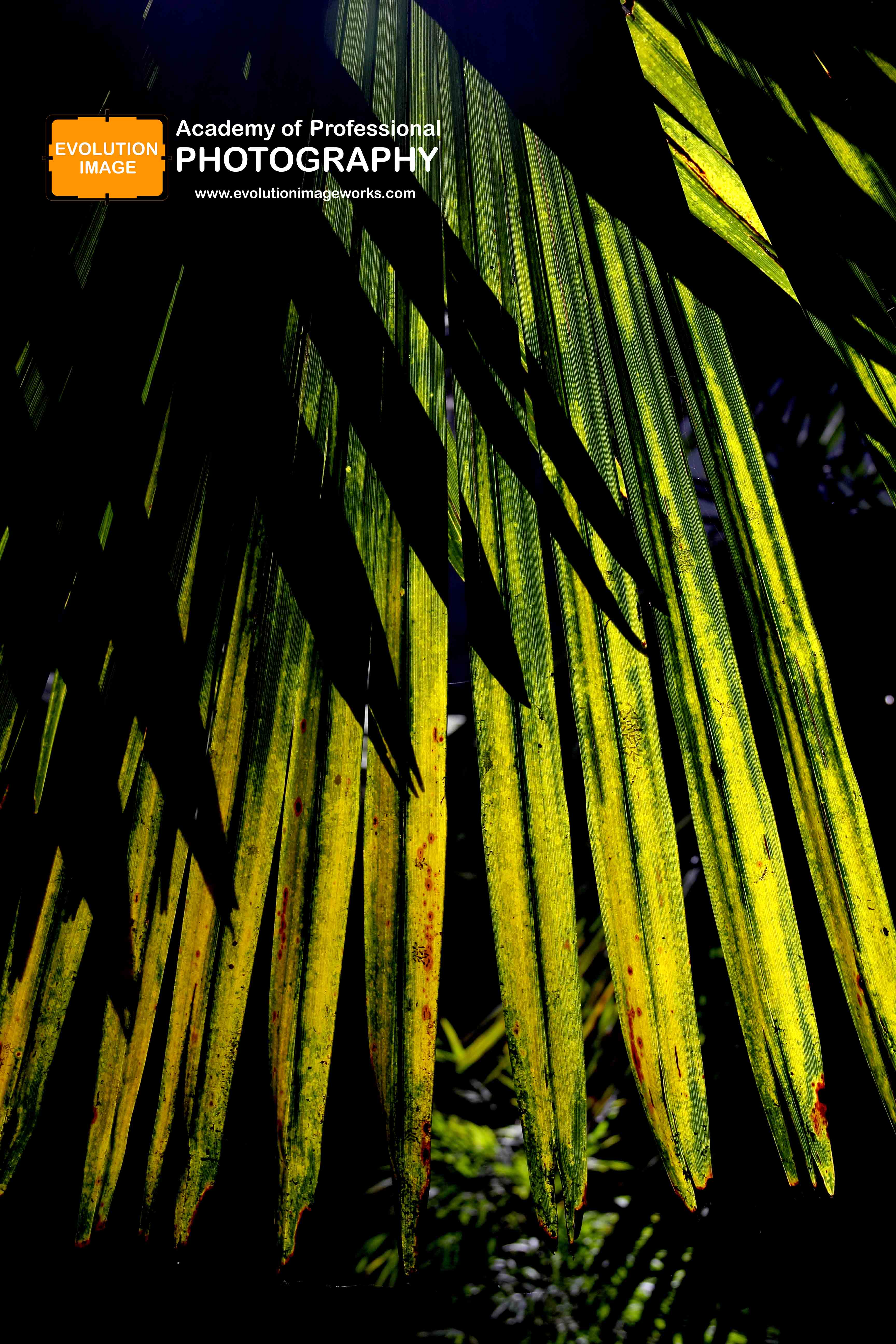
Camera
Any ordinary (or sophisticated) camera — film camera or digital camera—can be readily used for common landscape photography. Higher-resolution and larger-format digital cameras (or larger-format film cameras) permit a greater amount of detail and a wider range of artistic presentation.
However, a larger-format camera yields a more limited depth of field (range of the scene that is in focus) for a given aperture value, requiring greater care in focusing (see: “Shutter Speed and Aperture”, below).
A camera with “panorama” function or frame can permit very wide images suitable for capturing a panoramic view.
Lens
For “wide open spaces,” a wide angle lens is generally the preferred lens, allowing a broad angle of view. However, medium-range to telephoto lenses can achieve satisfying imagery, as well, and can enable the capture of detailed scenery of smaller areas at greater distances. Telephoto lenses can also facilitate limited ranges of focus, to enable the photographer to emphasize a specific area, at a fairly specific distance, in sharp focus, with the foreground and background blurred (see: depth of field). A big difference between a wide-angles lens and a telephoto lens is the compression of the landscape; the wider the angle the more distance will appear between the foreground and background elements; however, a telephoto lens will make the same elements appear closer to each other. Other lenses that can help include the fish eye lens for extremely wide angles and dramatic effect, and the macro /micro lens for extreme close-up work. While variable-range zoom lenses are widely used, some landscape photographers prefer fixed-range prime lenses to provide higher clarity and quality in the image.
Medium: film or digital sensor
The sensitivity to light, of the medium—the film or the digital camera sensor—is important in landscape photography, especially where great detail is required. In bright daylight, a “slow film” (low-ISO film), or low-ISO digital camera sensor sensitivity setting (typically ISO 100, or perhaps 200), is generally preferred, allowing maximum precision and evenness of image.
However, if there is movement in the scene, and the scene is in lower light—as with cloudy days, twilight, night, or in shaded areas—a higher ISO (up to the limits of the film or camera sensor, depending upon the shortage of light) may be desirable, to ensure that fast shutter speeds can be used to “freeze” the motion.
Lighting and flash
Normally, landscape photography—being focused primarily on natural beauty—tends to be done with only naturally occurring ambient light.
In some cases, however, artificial light is recommended or unavoidable. Careful use of flash, continuous artificial lighting or reflective surfaces for “fill” in shadowy areas is often used in close-up landscape photography (e.g.: garden spaces, small areas of dark forests, etc.).
However, given the broad expanses of open space that tend to dominate in landscape photography, artificial lighting is typically ineffective, or even destructive (causing the foreground to be wildly over-lit, and the background to become overly dark).
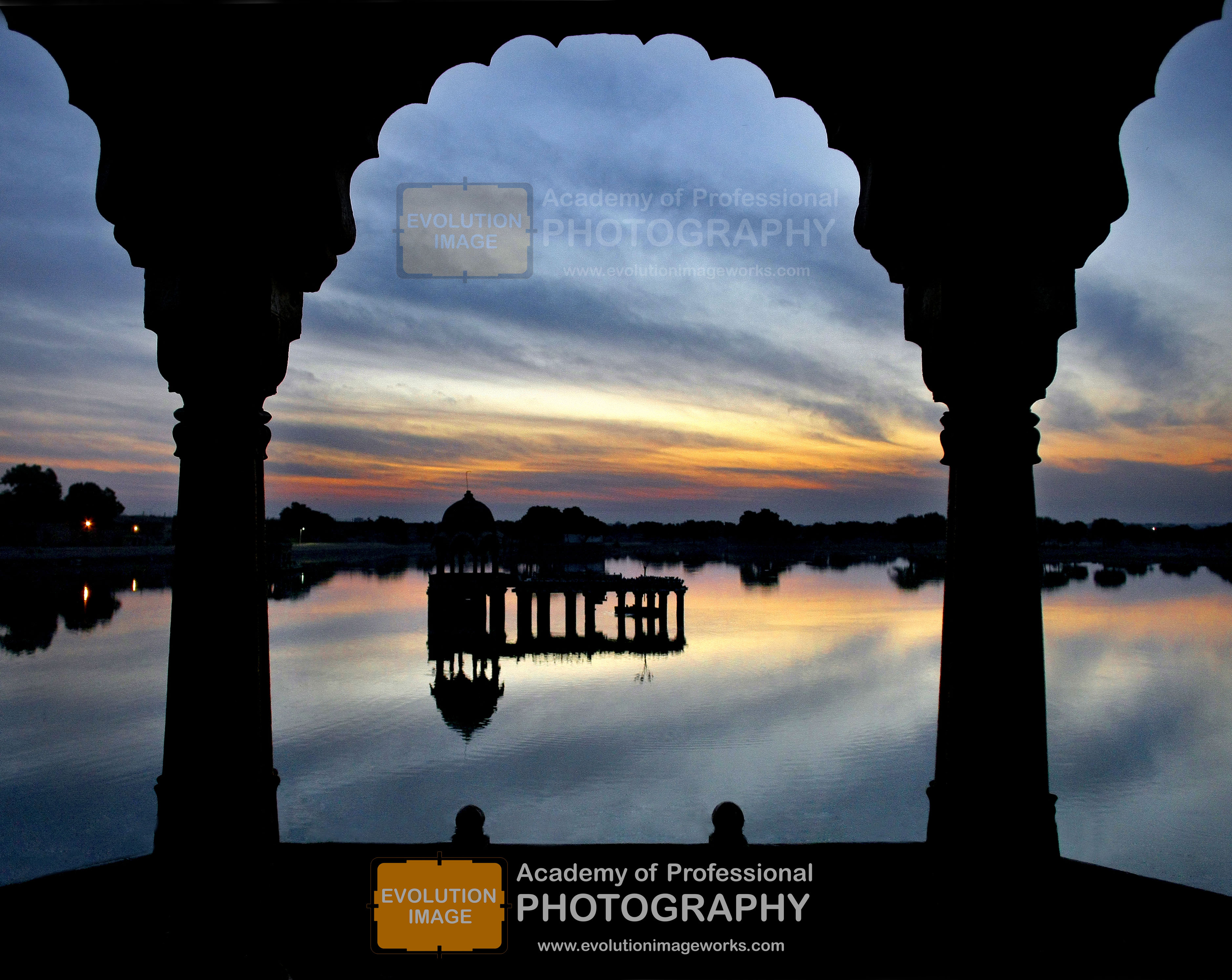
Light at dawn or dusk, or just before or after those times (especially at sunrise, or during the “golden hour” just before sunset), is often considered the best for capturing detail, showing scenes in the best colors of light, or otherwise generating impressive and attractive images.
Shutter speed and aperture
With cameras that allow a variety of shutter speeds and lens apertures, landscape photographers tend to prefer settings that allow all of the viewed area to be in sharp focus. This typically requires a small aperture (a high f-stop, usually between 11 and 13 is best for clarity and depth of field), which creates only a small hole for the light to come into the camera from the lens, ensuring that as much of the field of view is in focus as possible.
With a small aperture, however, a slower shutter speed (longer exposure) may be required to compensate for the limited amount of light squeezing in through the small aperture. This can be a problem if there are kinetic elements in the picture, such as moving animals (especially birds), people or vehicles. It can also be a problem if the environment is kinetic (in motion), such as wind blowing and shaking all the trees and plants in the scene, or if water is flowing. Slow shutter speeds can also be a problem if the photographer is in motion (such as shooting a scene from a moving vehicle).
Consequently, some compromise between shutter speed and aperture may be necessary, or advisable. To some extent, a higher-ISO film or digital camera setting can compensate without the need to alter shutter speed or aperture. However, higher ISO settings (“fast film”) can result in grainy pictures and poor capture of details, especially at a distance.
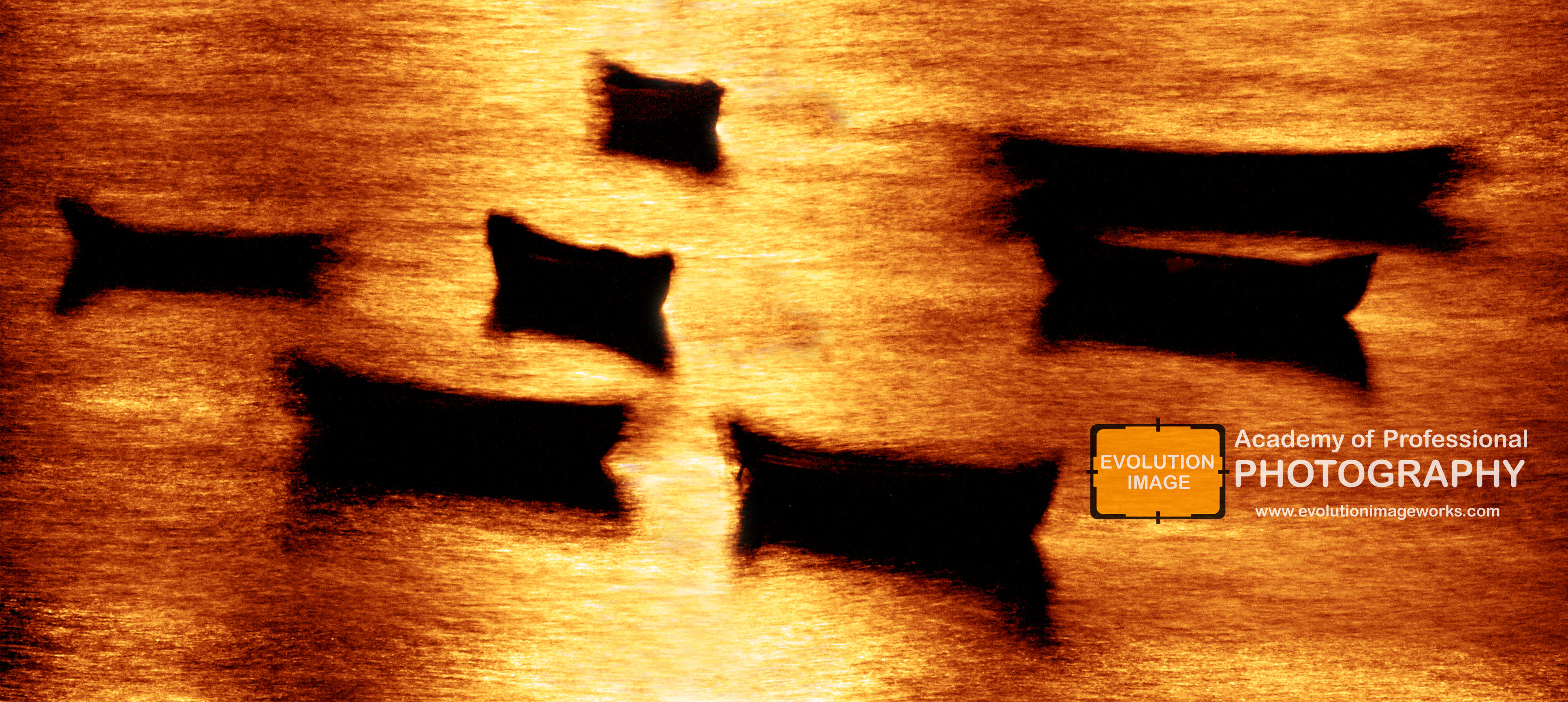
In some cases, a slow shutter speed is desired to show movement of the subjects, particularly moving water or the effects of wind.
Filters
Neutral density filter demonstration. Photo taken with shutter speed 1/5 of a second and a focal length of 21mm
Filters can serve a wide range of purposes in landscape photography.
For instance, a polarizing filter can darken the sky, while allowing surface features to be shown in relatively sharper clarity. Polarizing filters also help with cutting glare from water reducing reflections, snow and ice—even facilitating greater transparency of water and ice.
Neutral density filters are darkened with a neutral (colorless) gray tint which reduces the amount of light entering the camera lens. These filters are used to lengthen shutter speeds without the need to alter aperture or film/sensor sensitivity, or alternatively, to use large apertures without exceeding the maximum shutter speed of a camera. A variation of this filter, termed the graduated neutral density filter or simply ‘ND grad’, transitions from dark, neutral gray on one side to clear on the opposite side. Photographers use these filters to lower natural contrasts by reducing light transmission from the brightest portion of the subject landscape, while letting light from the darker portion of the landscape enter the lens unobstructed.
UV-Zero haze filters reduce “purple fringing” caused by ultraviolet light, especially in digital situations. They are also recommended by some professional photographers as protection for the vulnerable lens, especially when outdoors or in dynamic situations.
color filters can create other effects, or compensate for the appearance of unnatural lighting due to camera characteristics.
Tips For Taking Stunning Landscape Photos With Your Phone
- Include details in the foreground. …
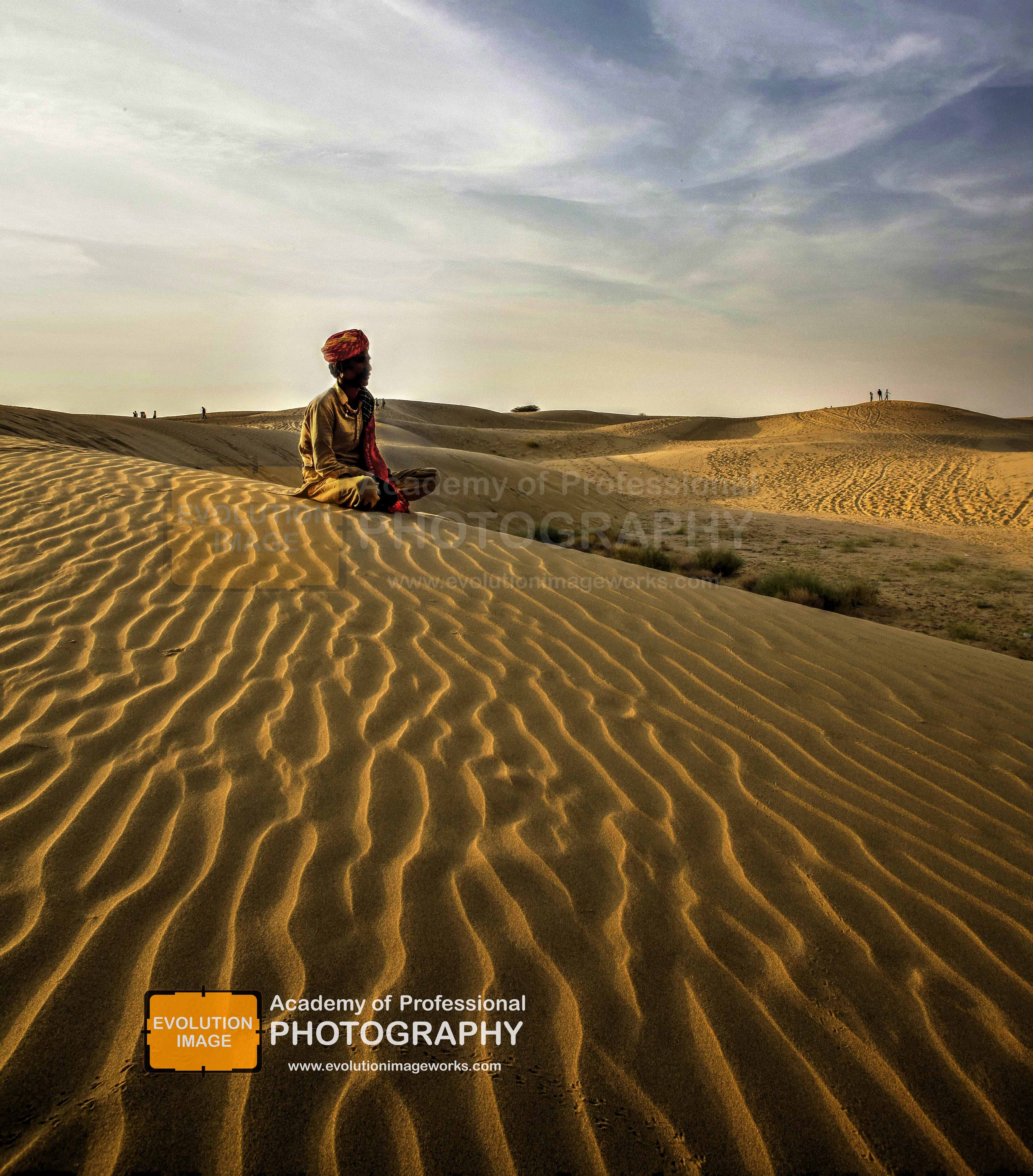
- Use human subjects. …
- Use sky in the composition. …
- Pay attention to light conditions. …
- Follow the diagonal principle. …
- Include leading lines in your photos. …
- Use a wide angle iPhone lens. …
- Take sharper photos using a tripod.
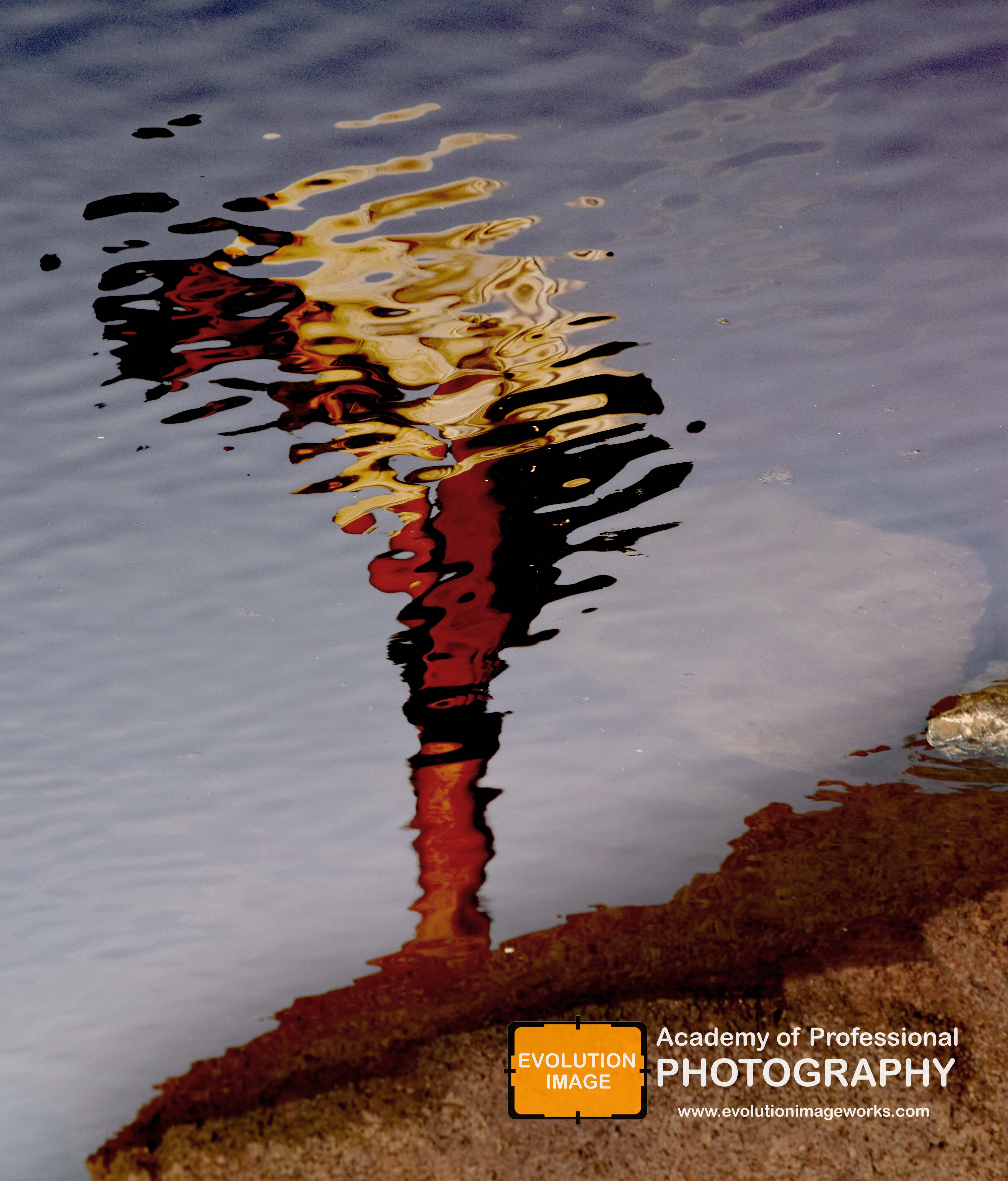
Landscape Photography Tips
- Create Depth. When you are taking a landscape photograph, try creating a sense of depth by keeping all the different elements of the image in focus. …
- Use a Wide-Angle Lens. …
- Use Photographic Filters. …
- Capture Movement. …
- Use Water as a Mirror. …
- Take Account of People. …
- Compose in Thirds. …
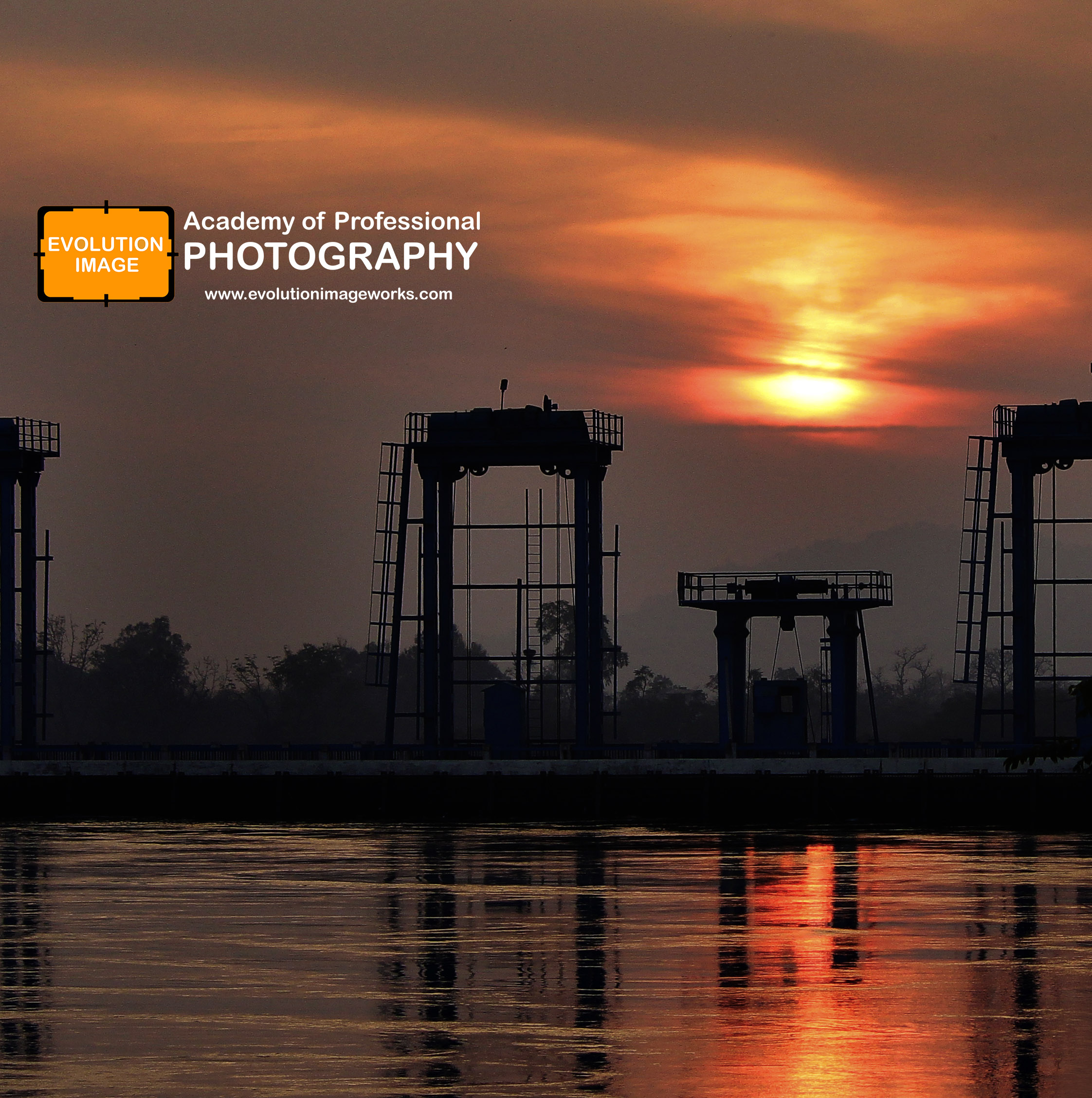
What are the Best Lenses for Landscape Photography?
- The Canon EF-S 15-85 mm.
- The Samyang 14 mm Ultra Wide-Angle f/2.8 IF ED UMC Lens.
- The Canon EF 70-200mm f/4L USM Lens.
- The Nikon 24-70mm f/2.8G ED-IF AF-S NIKKOR Lens.
- The Nikon 35mm f/1.8G AF-S DX NIKKOR Lens.
 evolution photography blog