

Portrait photography or portraiture in photography is a photograph of a person or group of people that captures the personality of the subject by using effective lighting, backdrops, and poses.A portrait picture might be artistic, or it might be clinical, as part of a medical study. Frequently, portraits are commissioned for special occasions, such as weddings or school events.Portraits can serve many purposes, from usage on a personal Web site to display in the lobby of a business.
Here are the 10 different types of portrait photography you should know.
- Traditional Portraits
- Lifestyle Portraits
- Environmental Portraits
- Candid and Street Portraits
- Glamour & Boudoir Photography
- Fine Art Portraits …
- Conceptual Portraits
- Surreal Portraits
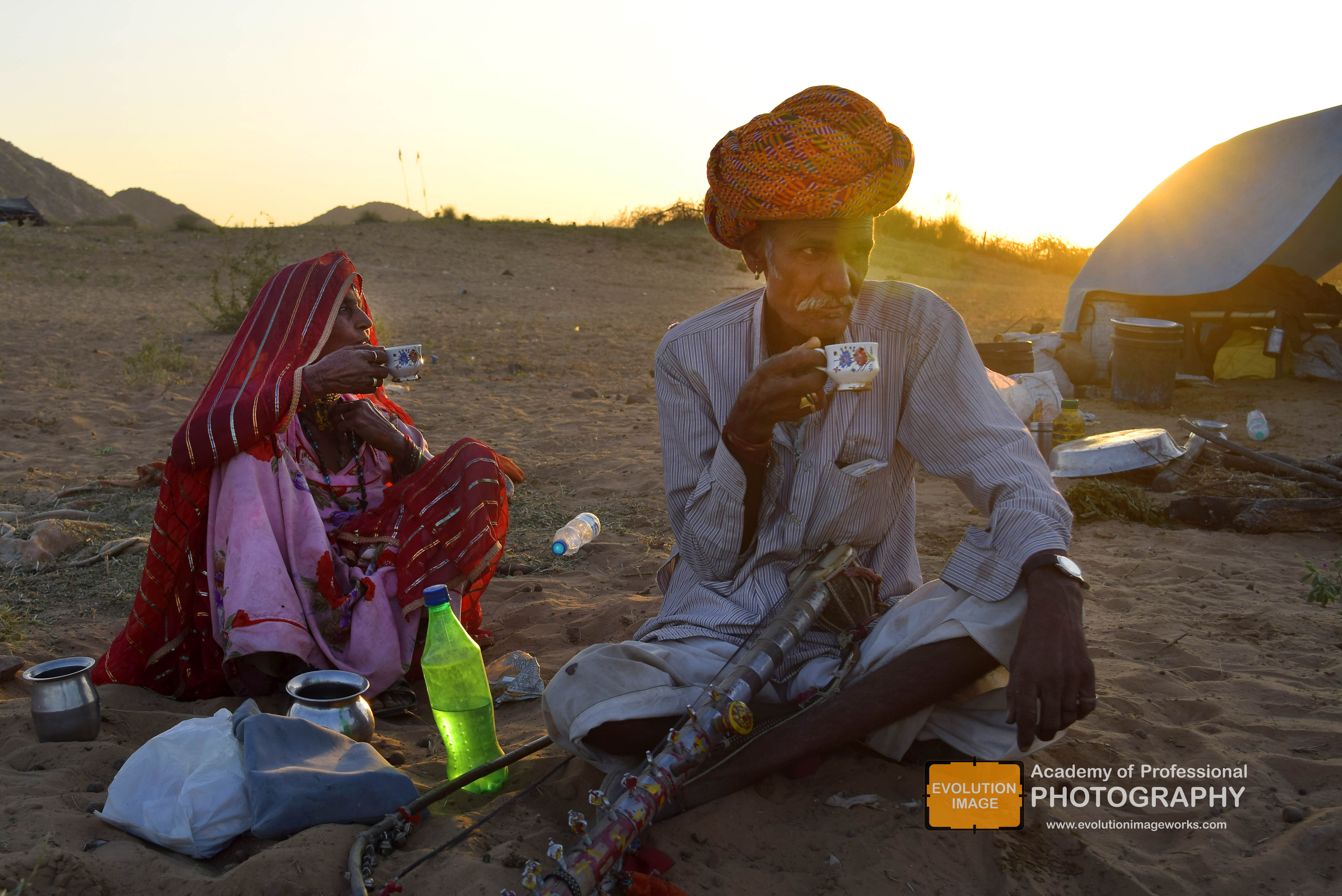
What is the best aperture for portraits?
When shooting portraits, it’s best to set a wide aperture (around f/2.8–f/5.6) to capture a shallow depth of field, so the background behind your subject is nicely blurred, making them stand out better .
What is a good focal length for portraits?
85mm lenses and equivalents. If you’re looking for a lens that provides a reasonable working distance from the model, with a narrower field of view than a 50mm lens, the 85mm is the most popular focal length for portraiture
Lighting for portraiture
When portrait photographs are composed and captured in a studio, the photographer has control over the lightning of the composition of the subject and can adjust direction and intensity of light. There are many ways to light a subject’s face, but there are several common lighting plans which are easy enough to describe.
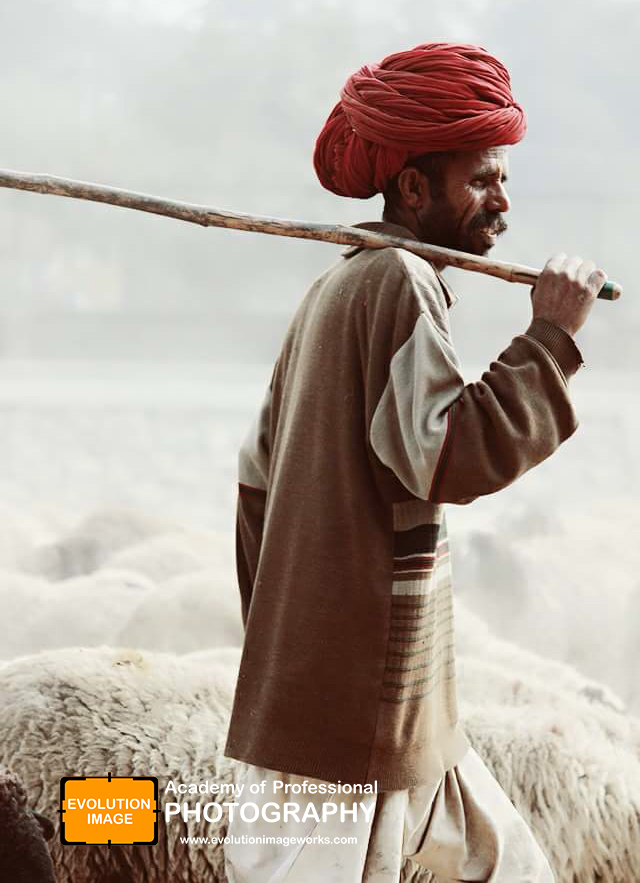
Three-point lighting
One of the most basic lighting plans is called three-point lighting. This plan uses three (and sometimes four) lights to fully model (bring out details and the three-dimensionality of) the subject’s features. The three main lights used in this light plan are as follows:
Key-light
Also called a main light, the key light is usually placed to one side of the subject’s face, between 30 and 60 degrees off center and a bit higher than eye level. The purpose of the key-light is to give shape (modelling) to a subject, typically a face. This relies on the first principle of lighting, white comes out of a plane and black goes back into a plane. The depth of shadow created by the main-Light can be controlled with a fill-light.
High-Key
This is a technique used to obtain a portrait where the predominant color is white or light-yellow. The background should be entirely white and several lights can be used, all at the same time.
Low-Key
Opposed to High-Key portraits, this technique is used only to highlight a specific part of the subject’s face, often half of the face if only one light source is used or just the facial contour if two lights are used.
Fill-in light
In modern photography, the fill-in light is used to control the contrast in the scene and is nearly always placed above the lens axis and is a large light source (think of the sky behind your head when taking a photograph). As the amount of light is less than the key-light (main-light), the fill acts by lifting the shadows only (particularly relevant in digital photography where the noise lives in the shadows). It is true to say that light bounces around a room and fills in the shadows but this does not mean that a fill-light should be placed opposite a key-light (main-light) and it does not soften shadows, it lifts them. The relative intensity (ratio) of the Key-light to the fill-light is most easily discussed in terms of “Stops” difference (where a Stop is a doubling or halving of the intensity of light). A 2 Stop reduction in intensity for the Fill-Light would be a typical start point to maintain dimensionality (modelling) in a portrait (head and shoulder) shot..
Back light
Back lights, or accent lighting , serve the purpose of accentuating a subject. Typically a back light will separate a subject from a background. Examples would be a light shining onto a subject’s hair to add a rim effect or shining onto a background to lift the tones of a background. There can be many accent lights in a shot, another example would be a spotlight on a handbag in a fashion shot. When used for separation, i.e. a hair-light, the light should not be more dominant than the main light for general use. Think in terms of a “kiss of moonlight”, rather than a “strike of lightning”, although there are no “shoulds” in photography and it is up to the photographer to decide on the authorship of their shot.
Kicker
A kicker is a form of accent light. Often used to give a backlit edge to a subject on the shadow side of the subject.
Butterfly lighting
Butterfly lighting uses only two lights. The key light is placed directly in front of the subject, often above the camera or slightly to one side, and a bit higher than is common for a three-point lighting plan. The second light is a rim light
Often a reflector is placed below the subject’s face to provide fill light and soften shadows.
This lighting may be recognized by the strong light falling on the forehead, the bridge of the nose, the upper cheeks, and by the distinct shadow below the nose that often looks rather like a butterfly and thus, provides the name for this lighting technique.
Accessory lights
These lights can be added to basic lighting plans to provide additional highlights or add background definition.
Background lights
Not so much a part of the portrait lighting plan, but rather designed to provide illumination for the background behind the subject, background lights can pick out details in the background, provide a halo effect by illuminating a portion of a backdrop behind the subject’s head, or turn the background pure white by filling it with light.
Other lighting equipment
Most lights used in modern photography are a flash of some sort. The lighting for portraiture is typically diffused by bouncing it from the inside of an umbrella, or by using a soft box . A soft box is a fabric box, encasing a photo strobe head, one side of which is made of translucent fabric. This provides a softer lighting for portrait work and is often considered more appealing than the harsh light often cast by open strobes. Hair and background lights are usually not diffused. It is more important to control light spillage to other areas of the subject. snoots barn doors and flags help focus the lights exactly where the photographer wants them. Background lights are sometimes used with color gels placed in front of the light to create coloured backgrounds.
Window light portraiture
Window light used to create soft light to the portrait
Windows as a source of light for portraits have been used for decades before artificial sources of light were discovered. According to Arthur Hammond, amateur and professional photographers need only two things to light a portrait: a window and a reflector. Although window light limits options in portrait photography compared to artificial lights it gives ample room for experimentation for amateur photographers. A white reflector placed to reflect light into the darker side of the subject’s face, will even the contrast. shutter speed may be slower than normal, requiring the use of a tripod, but the lighting will be beautifully soft and rich.
The best time to take window light portrait is considered to be early hours of the day and late hours of afternoon when light is more intense on the window. Curtains, reflectors, and intensity reducing shields are used to give soft light . While mirrors and glasses can be used for high key lighting. At times colored glasses, filters and reflecting objects can be used to give the portrait desired color effects. The composition of shadows and soft light gives window light portraits a distinct effect different from portraits made from artificial lights.
While using window light, the positioning of the camera can be changed to give the desired effects. Such as positioning the camera behind the subject can produce a sihouette of the individual while being adjacent to the subject give a combination of shadows and soft light. And facing the subject from the same point of light source will produce high key effects with least shadows.
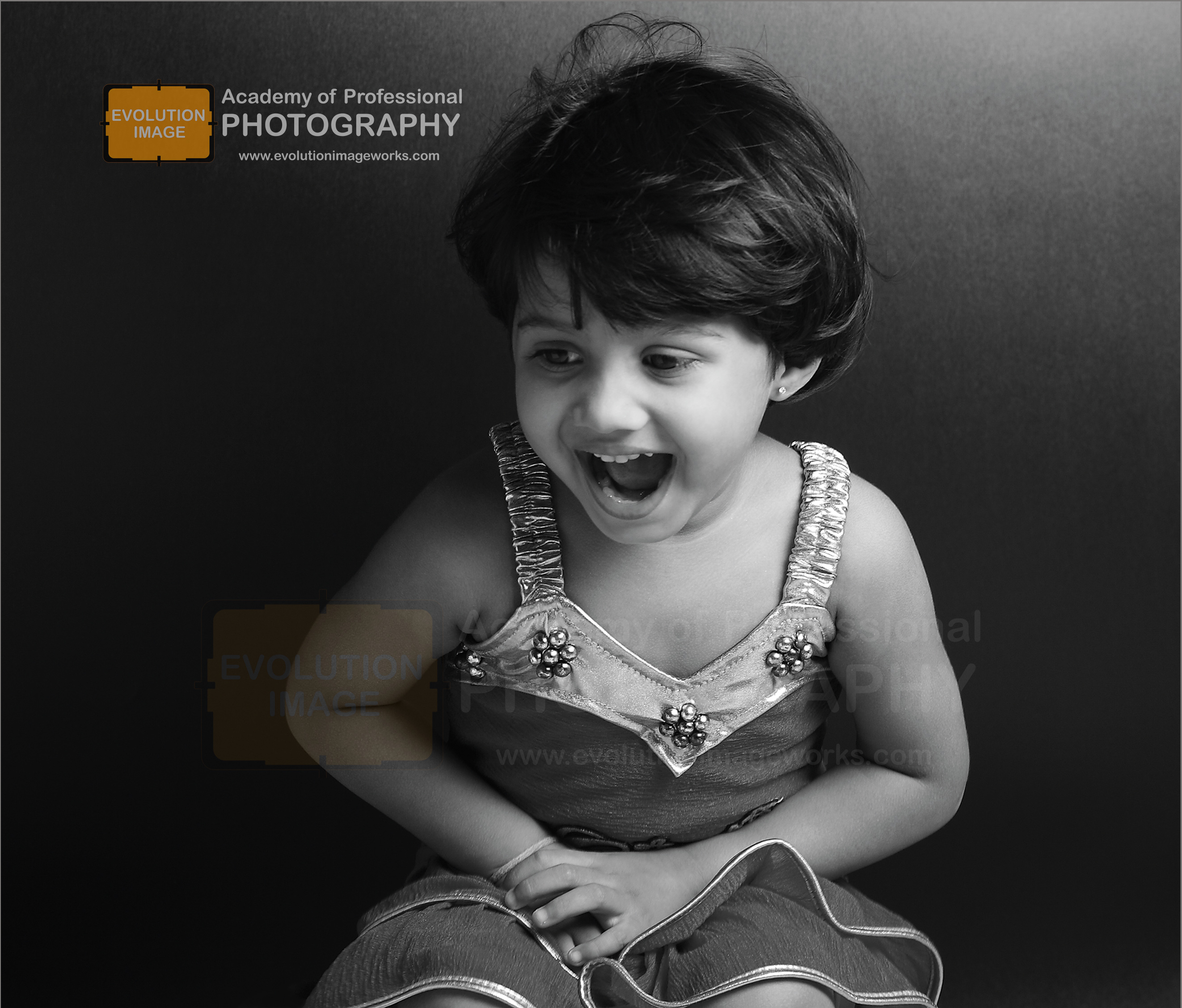
BLACK & WHITE PORTRAIT PHOTOGRAPHY
3 Basic Portrait Photography Settings
- Aperture. In portrait photography, you very rarely see the background properly, as it is usually out of focus, allowing the viewer to concentrate on the subject. …
- Shutter Speed. Most professional photographers shoot portraits at a shutter speed of around 1/200 of a second. …
- ISO
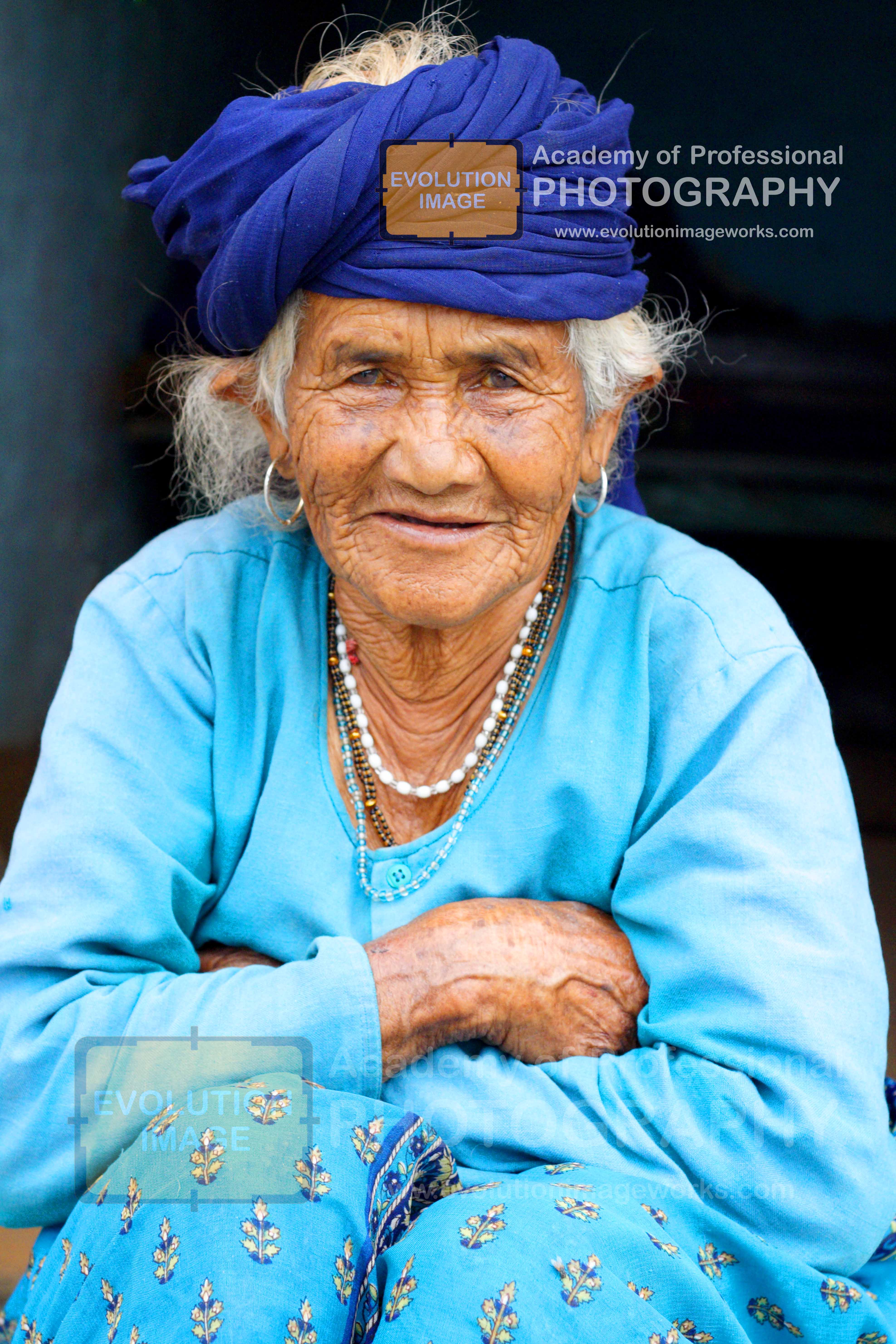
How do you become a portrait photographer?
- Step 1: Learn Technical Skills. Aspiring portrait photographers should learn to use technical tools, such as digital cameras, lenses and lighting equipment. …
- Step 2: Gain Experience. …
- Step 3: Obtain Certification. …
- Step 4: Continue Your Education for Career Advancement.
How do I take beautiful portraits?
- Taking Perfect Portraits. People love to see flattering photos of themselves, but not every photographer has the skill set to capture a striking portrait. …
- Use natural light. …
- Don’t shoot in direct sunlight. …
- Diffuse harsh light. …
- Use a low f-stop. …
- Avoid wide-angle lenses. …
- Use a reflector. …
- Use a telephoto lens.

The Best Lenses for Portraits
- Nikon AF-S Nikkor 24-70mm f/2.8. …
- Nikon 58mm f/1.4G. …
- Sony 35mm f/1.4 ZA. …
- Sony 55mm f/1.8 ZA. …
- Sony 85mm f/1.8 GM. …
- Sigma 50mm F/1.4 DG HSM Art.
- Sigma 35mm DG HSM f/1.4 Art.
- Sigma 85mm DG HSM f/1.4 Art.


 evolution photography blog