

Architectural photography is the photographing of buildings and similar structures that are both aesthetically pleasing and accurate representations of their subjects. Architectural photographers are usually skilled in the use of specialized techniques and cameras. Working as an architectural photographer is usually a solo job with lots of technical equipment. … Architectural photographers do also find work in editorial publications that feature architectural design, interior design, commercial or industrial buildings, or residential buildings.

Techniques

A tenet of architectural photography is the use of perspective control, with an emphasis on vertical lines that are non-converging (parallel). This is achieved by positioning the focal plane of the camera at so that it is perpendicular to the ground, regardless of the elevation of the camera eye. This result can be achieved by the use of view cameras, tilt/shift lenses, or post-processing.
history
The first permanent photograph, View from the Window at Le Gras by Nicéphore Niépce, was also the first architectural photograph as it was a view of buildings. Similarly, photographs taken by early photographer William Henry Fox Talbot were of architecture, including his photograph of a Latticed window in Lacock Abbey taken in 1835.
types of architectural photography
Exterior and interior photography
Exterior photography
Exterior architectural photography usually takes advantage of available light by day, or at night it uses ambient light from adjacent street lights, landscape lights, exterior building lights, moonlight and even twilight present in the sky in all but the darkest situations.
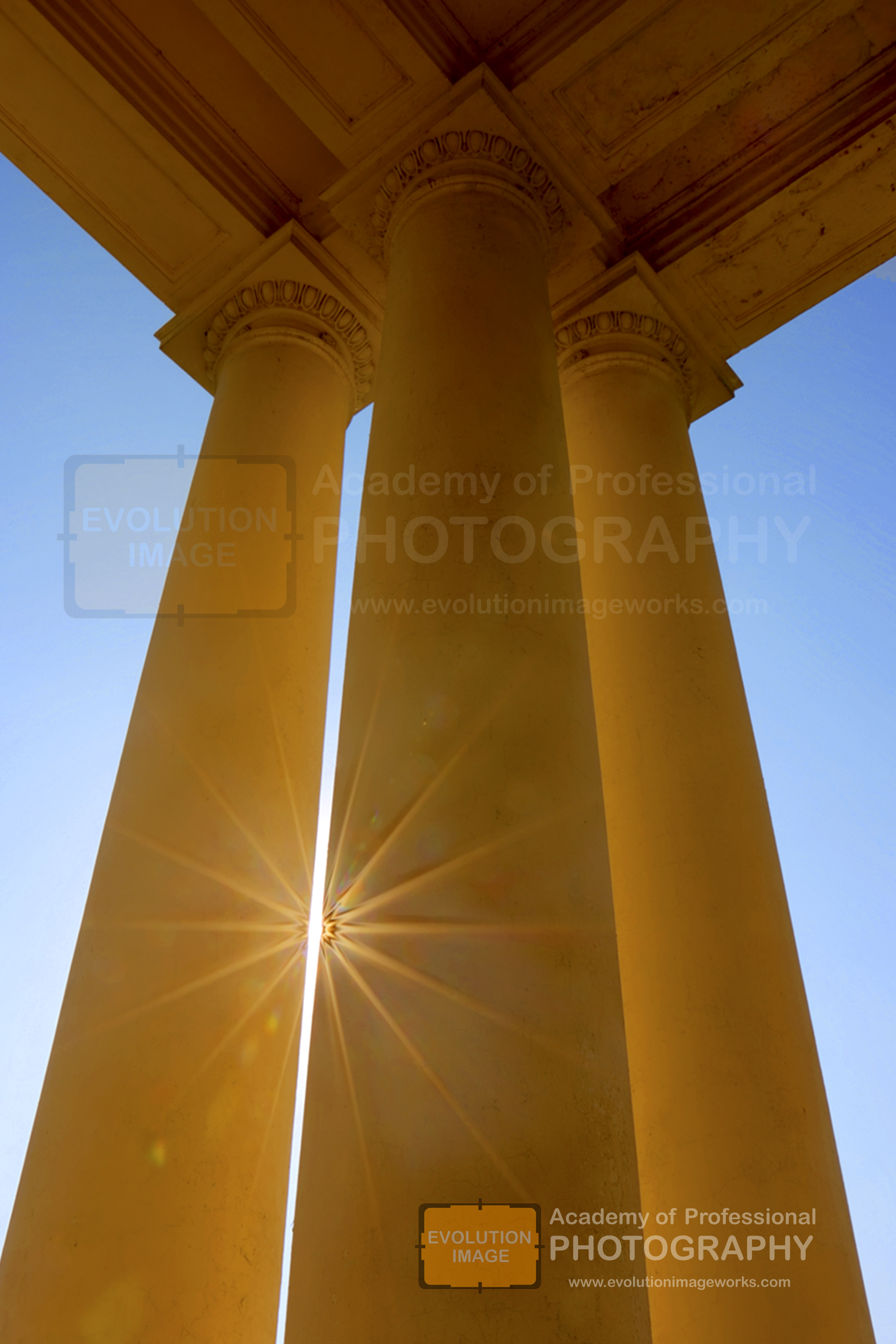
Forest Research Institute Dehradun
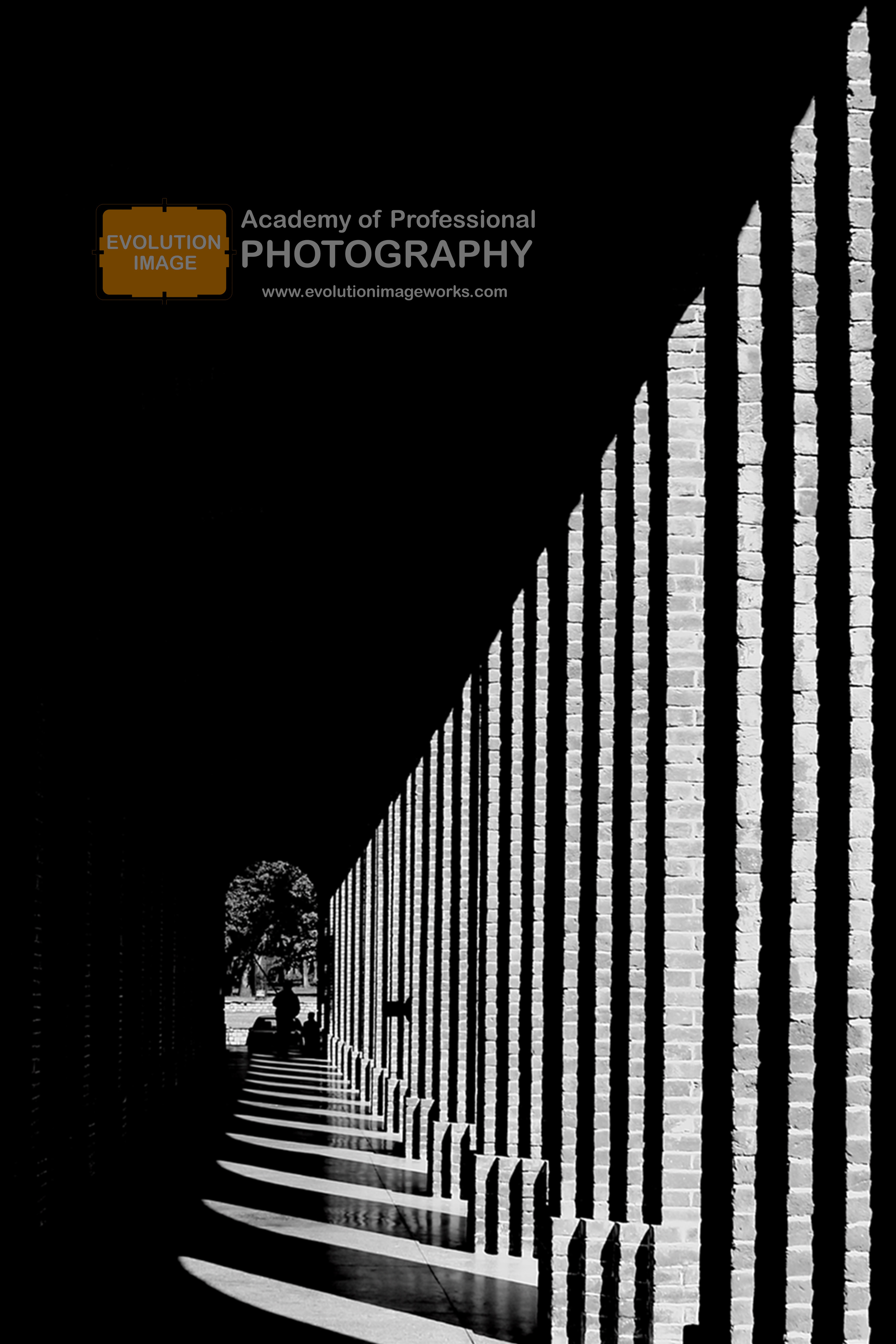
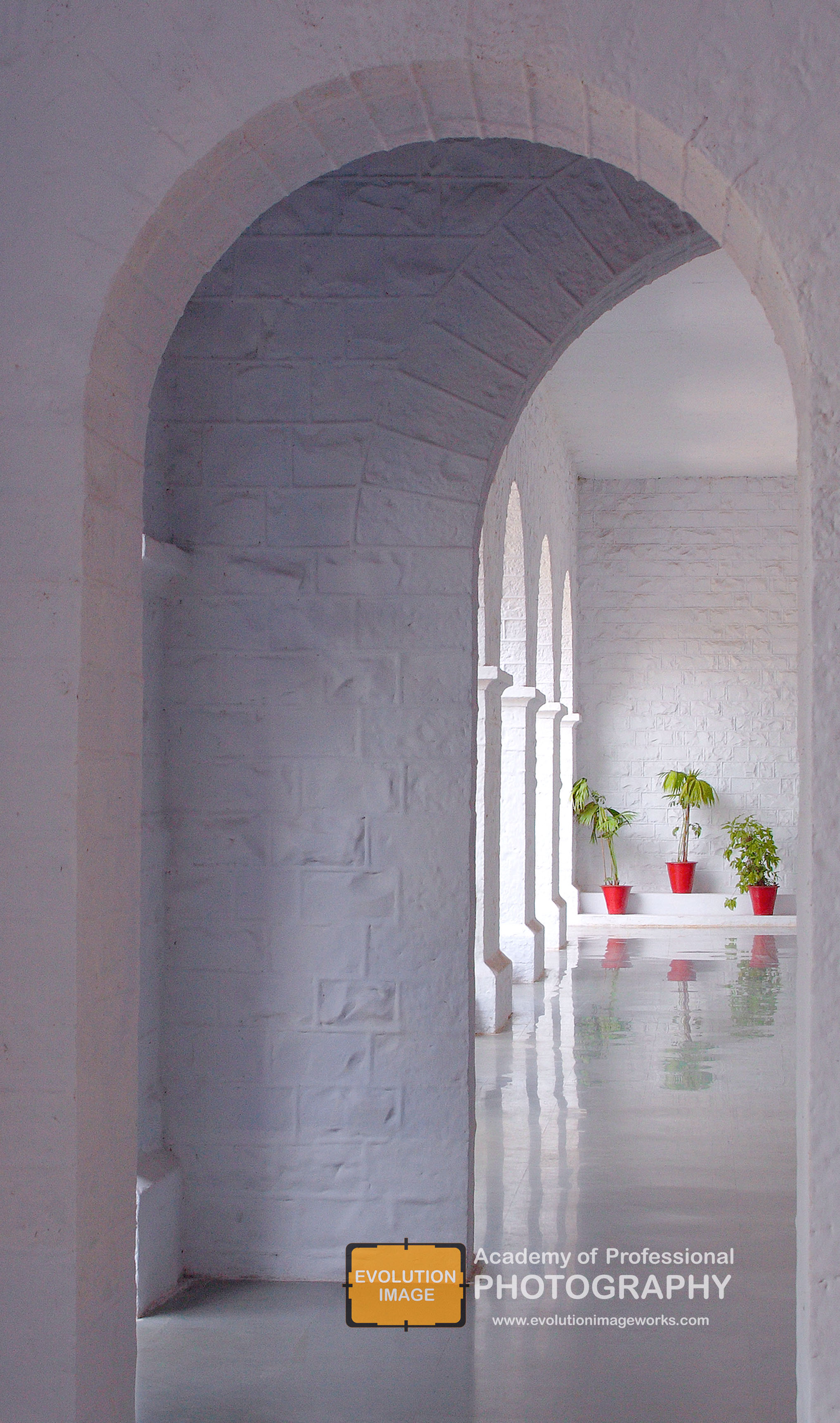
interior photography
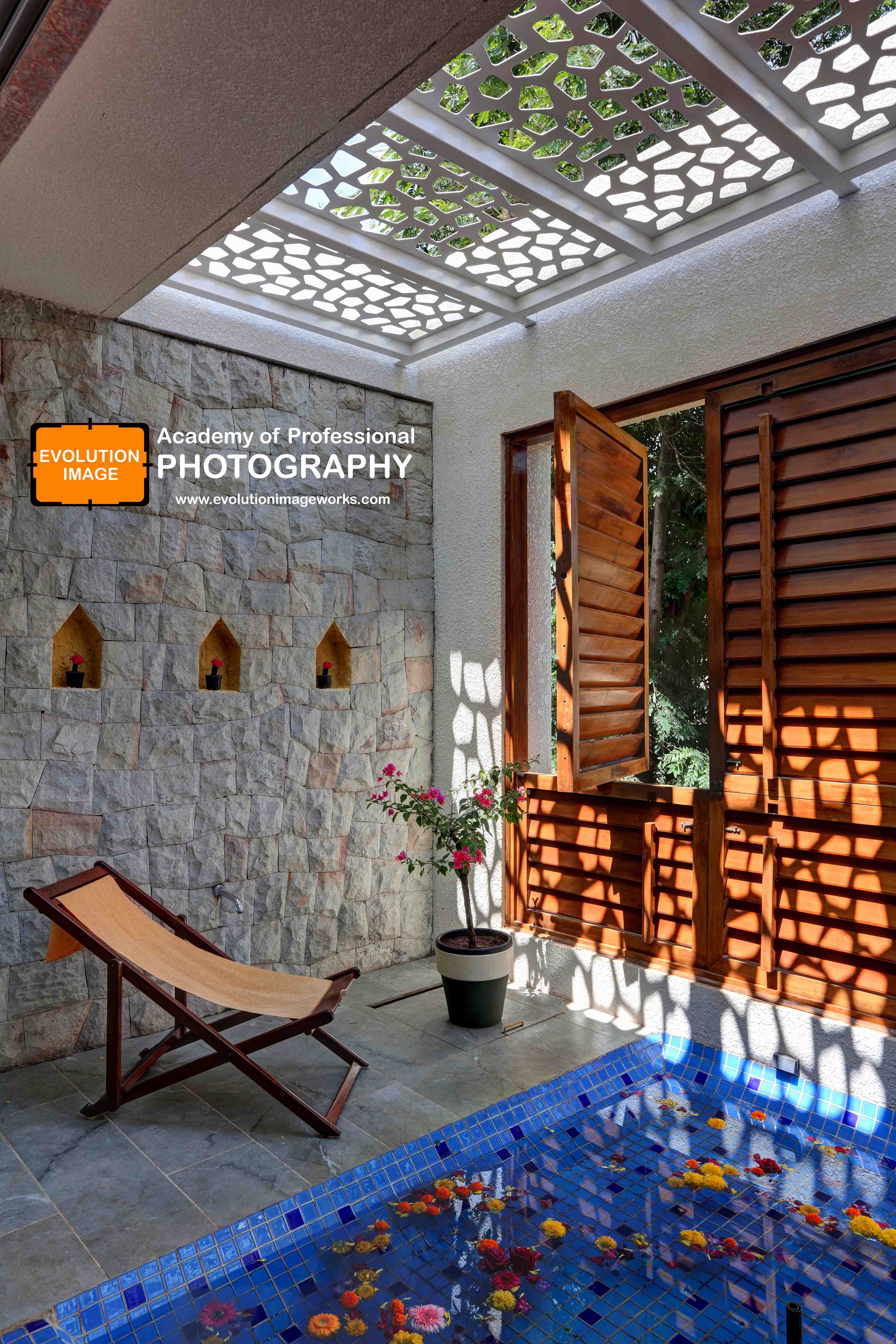
Interior
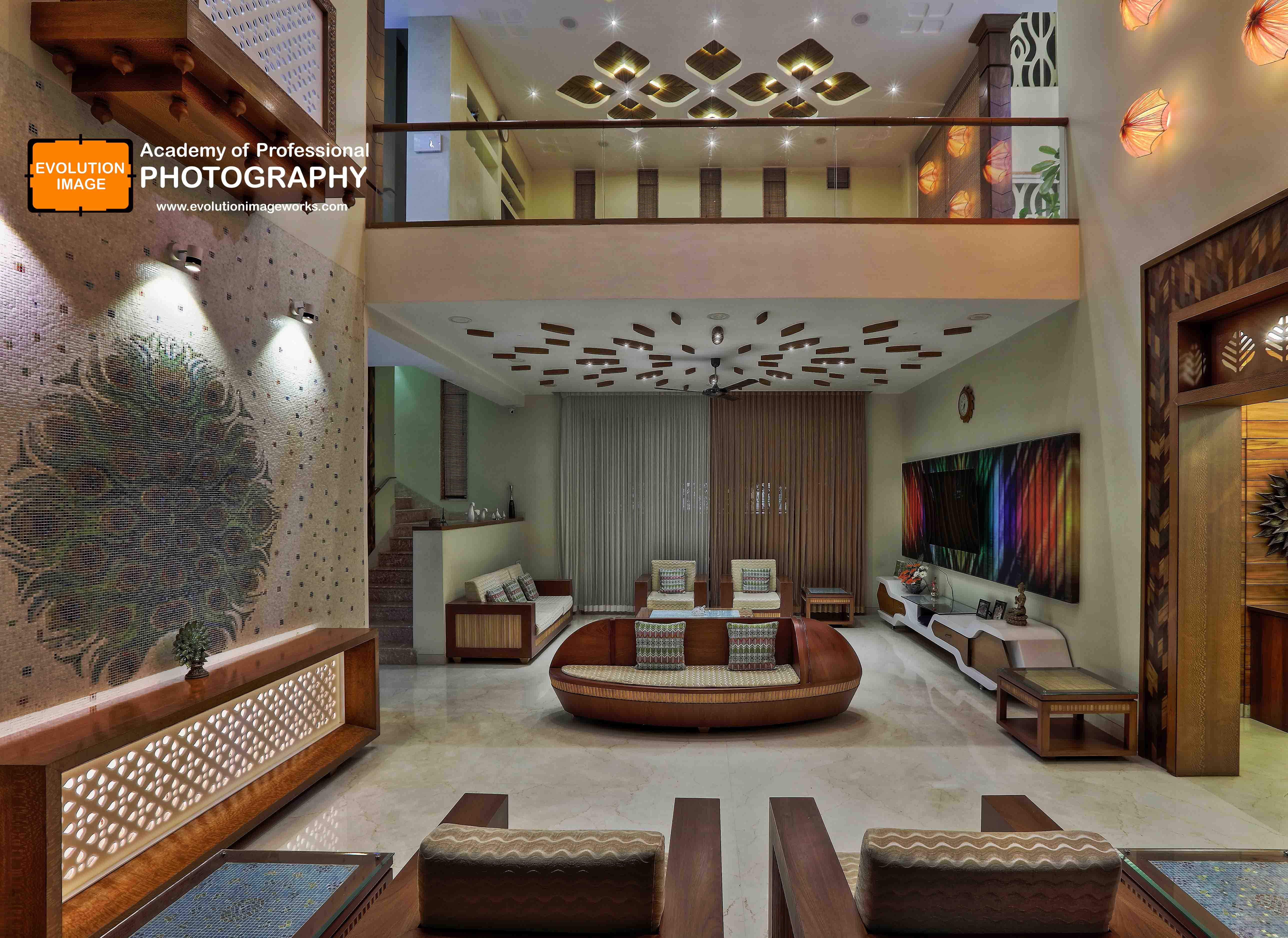
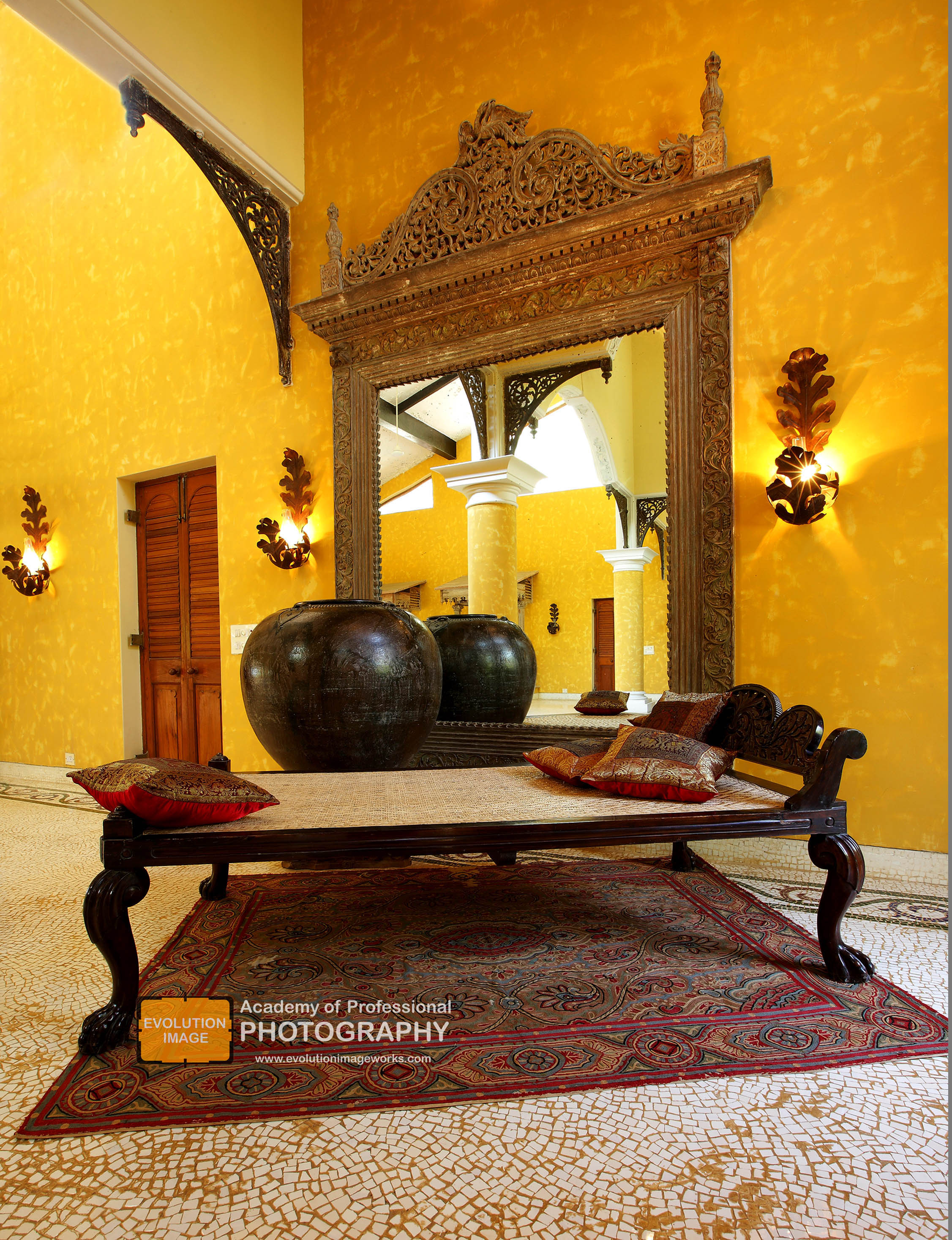
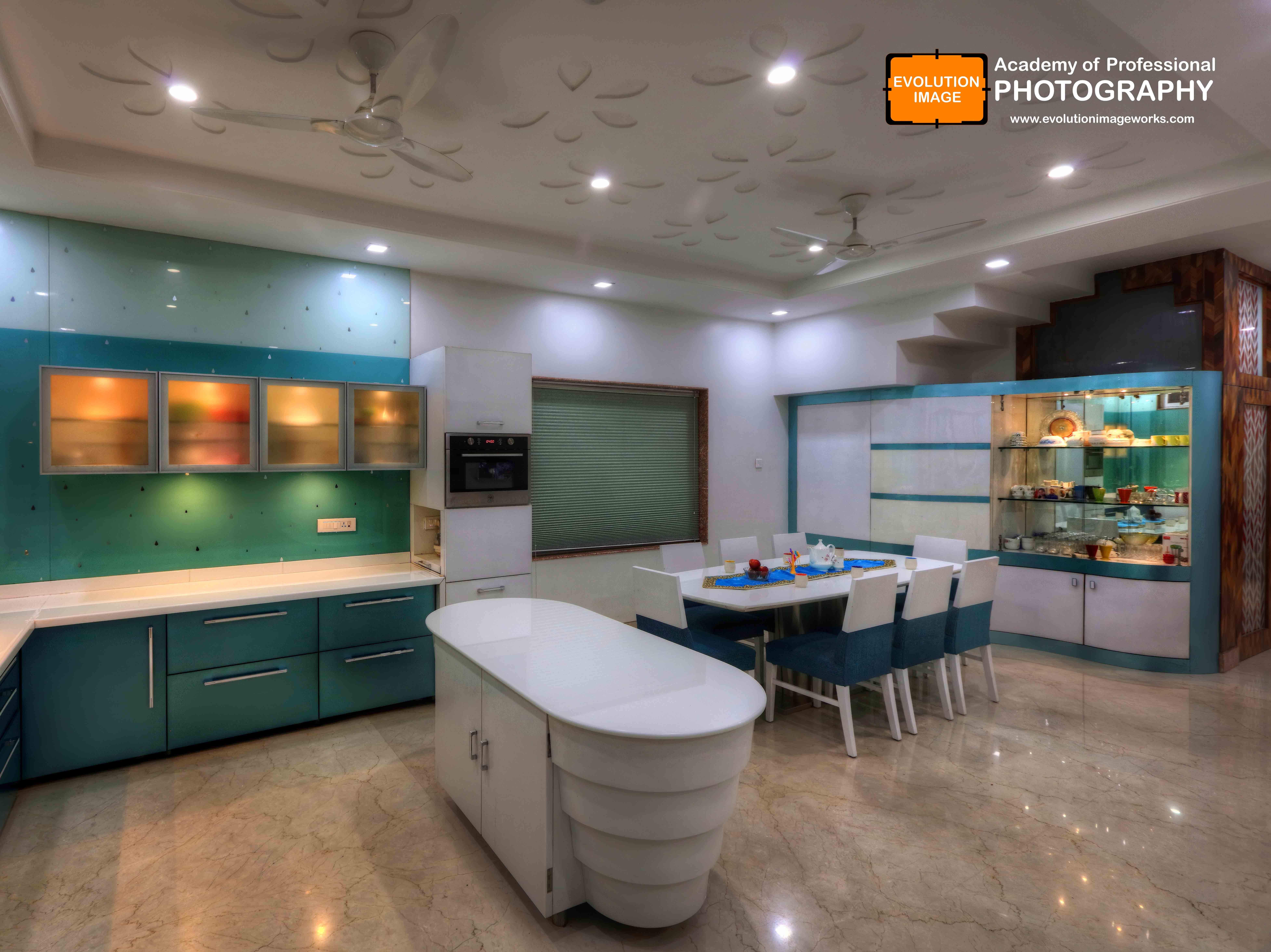
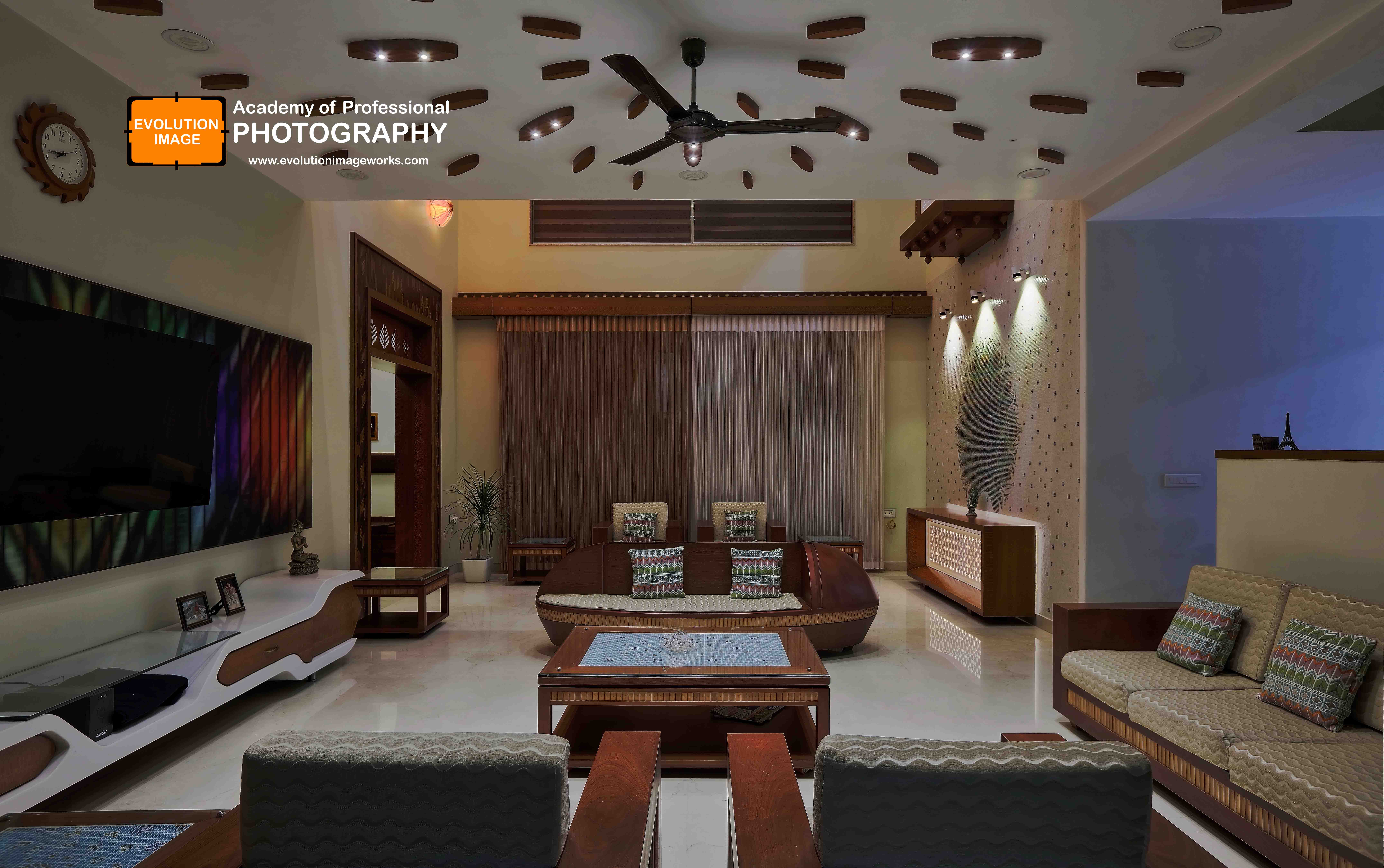
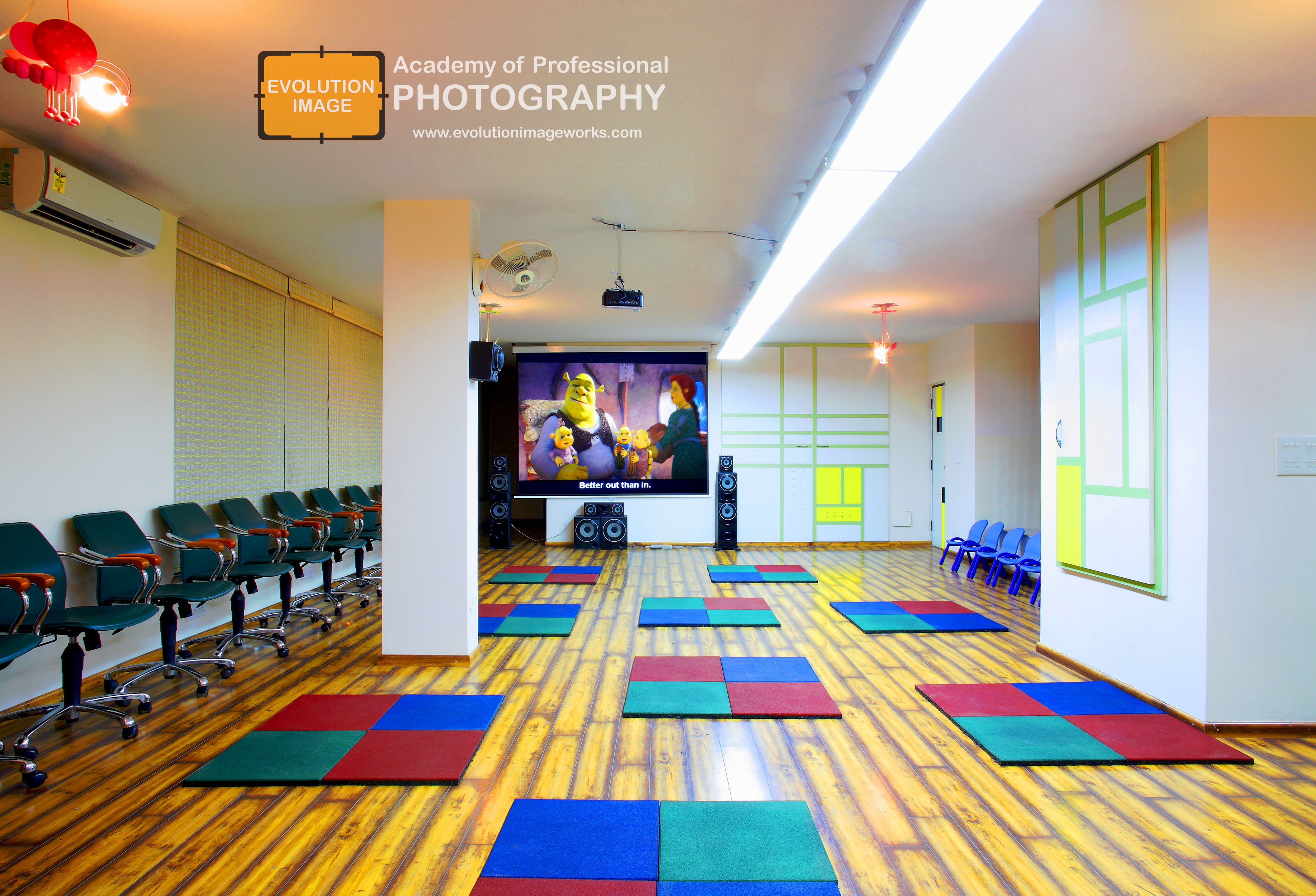
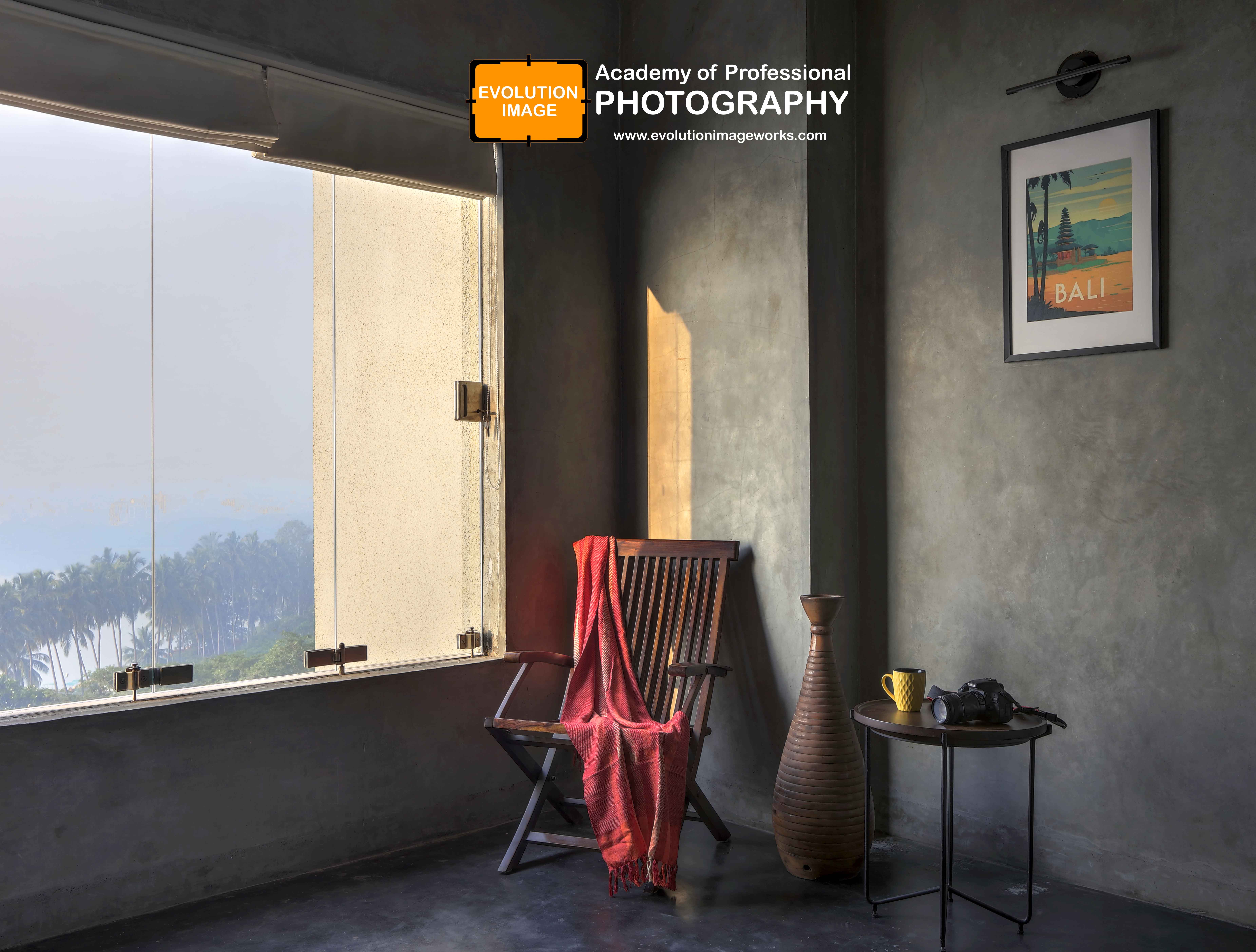
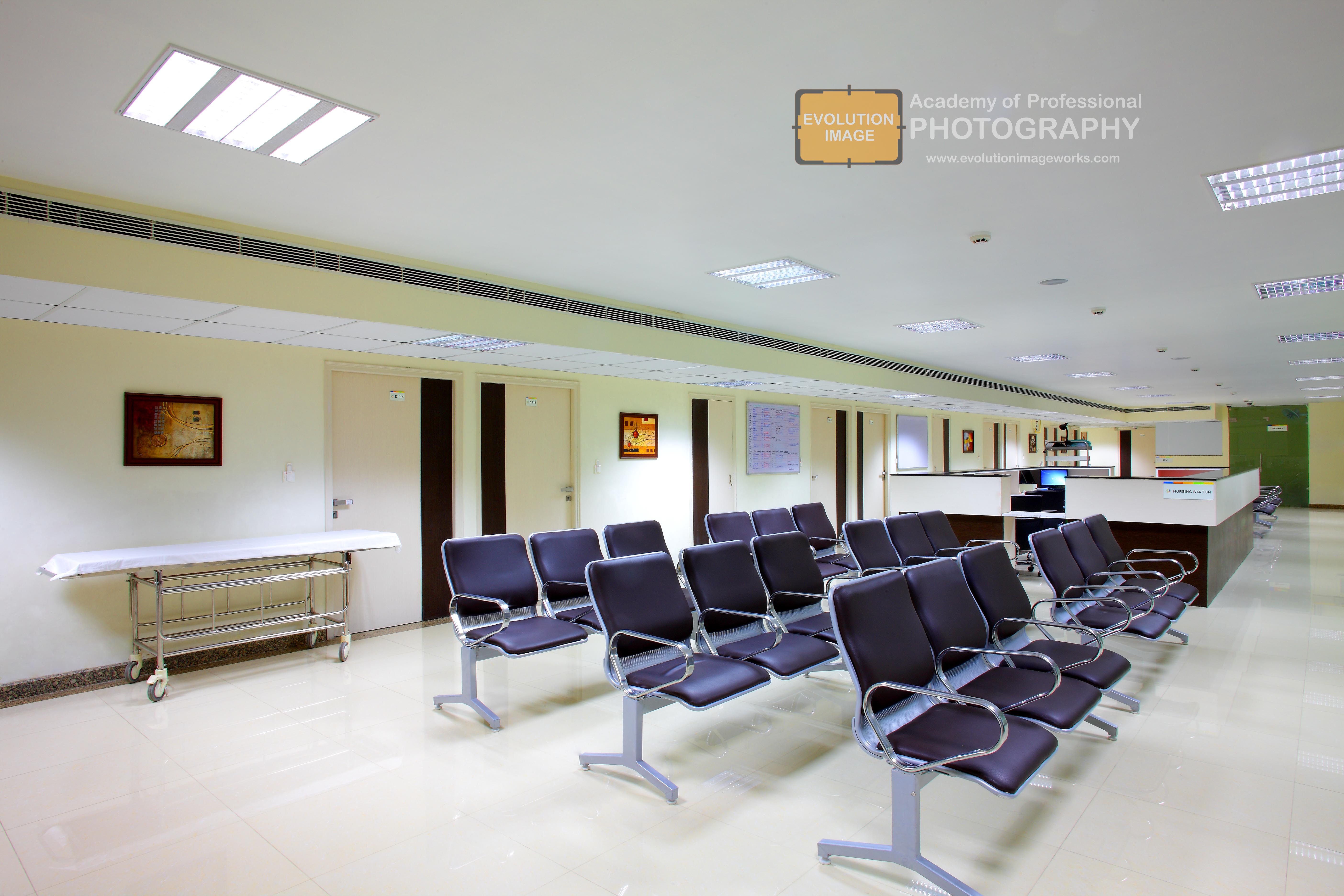
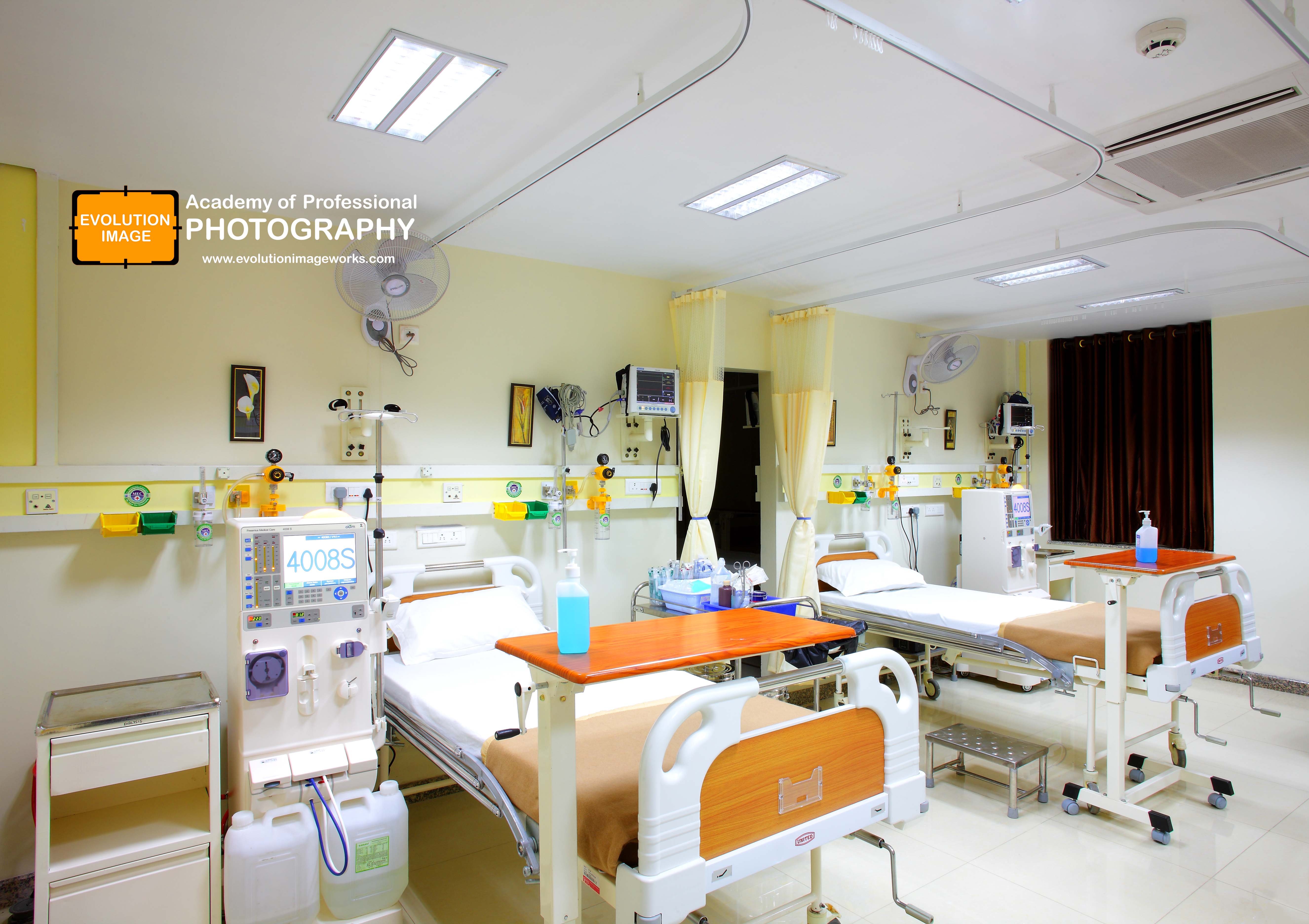
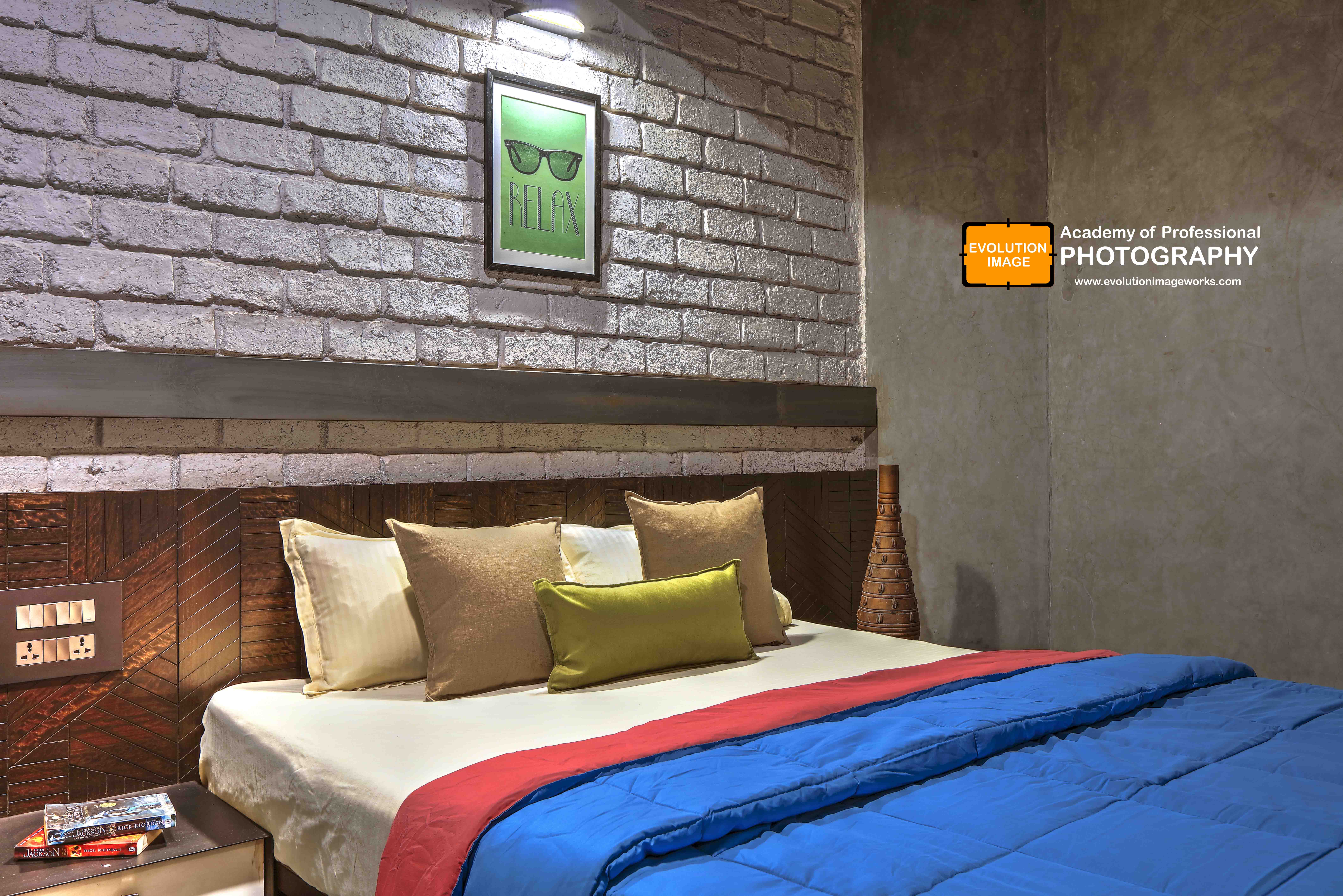
Interior architectural photography can also be performed with ambient light transmitted through windows and skylights, as well as interior lighting fixtures. Frequently though, architectural photographers will use supplemental lighting to improve the illumination within a building. Either electronic flash “strobes” or incandescent “hot lights” can be used. A feature of architectural photography is that the principal subjects rarely move. It is therefore possible to use post-processing editing to achieve a balanced lighting scheme, even in the absence of additional lighting.


Career Requirements
| A degree is not required, but may expand career opportunities ( Degree Level ) | |
| Photography ( Degree field) | |
| Artistic ability, ability to operate camera equipment and use photo editing software, customer-service skills, attention to detail, interpersonal skills, and business skills ( Key Skills) |
Steps to Architectural Photographer
Step 1: Learn to Operate Camera Equipment
Individuals interested in pursuing a career in architectural photography need to know how to operate camera equipment, specifically digital camera equipment. Even if a student plans to pursue formal education in the field, he or she will need to know how to properly use a camera prior to attending school. Architectural photographers can learn basic camera skills by practicing taking pictures of buildings and other structures around their cities .
Take beginner photography classes. To build a strong foundation in the basics of photography, aspiring architectural photographers can take beginner-level classes. Such classes may be available at local community centers or through privately owned photography .
Step 2: Earn a Bachelor’s Degree
While formal education is not required to enter the field, the BLS noted that employers may prefer candidates who have a four-year degree in photography. A bachelor’s degree program focuses on instruction in composition elements, shooting techniques, and darkroom procedures. Courses may include studio lighting, photojournalism, digital imaging, and photography history. Students may also want to earn a minor in architecture or take courses focused on architectural structures.
Participate in an internship. Some bachelor’s degree programs require students to complete an internship before graduation. Prospective architectural photographers may want to seek internships with professional photographers or professional photography associations. The Young Photographers Alliance offers mentoring and internship opportunities to students and recent graduates of a four-year degree program.
Step 3: Build a Portfolio
A portfolio highlighting an artist’s best photographs is necessary to begin a career as an architectural photographer. Architectural photographers can begin building their portfolios while still in school and should continue updating their portfolios throughout their careers. A portfolio should include published photographs, as well as exemplary pieces taken in college and an internship program. Creating an online portfolio will allow a greater audience to view a photographer’s work.

Step 4: Gain Experience as a Photographer’s Assistant
Beginning architectural photographers can gain professional experience working as an assistant to a photographer. Along with learning technical and business skills, an assistant may be responsible for menial tasks such as finding business opportunities for the employer. Seek assistant positions through job search sites and local photographers. Organizations such as the Association of Independent Architectural Photographers (AIAP) offer services to match photographers with assistants.
Step 5: Join a Professional Organization
Professional photography organizations can provide beginning and experienced photographers with clientele and job opportunities. The AIAP offers clients a service that finds architectural photographers in their areas. Similarly, the American Society of Media Photographers (ASMP) offers a photographer finder that allows clients to specify a professional’s specialization. To benefit from one of these organizations, a photographer must obtain membership, which entails a yearly fee and review by the membership board.
Continue education. While not required, architectural photographers can benefit from taking advantage of continuing education opportunities throughout their careers. Professional organizations, such as the ASMP, offer a variety of continuing education tutorials and seminars to members to help them improve their skills and learn new techniques. Continuing education can help architectural photographers stay current in laws related to business photography as well as technologies that evolve with the industry.

Best Canon Lenses for Architectural Photography
- Canon TS-E 45mm f/2.8.
- Canon TS-E 90mm f/2.8 Tilt-Shift Lens.
- Canon EF 1.4x III Extender.
- Canon EF 70-200mm f/2.8L IS II USM Lens.
- Canon EF 50mm f/1.4 USM Lens.
- Canon EF 16-35mm f/2.8L ll USM Zoom Lens.
- Canon TS-E 17mm f/4L Tilt-Shift Lens.
Best Nikon Lenses for Architectural Photography
- Nikon AF-S DX NIKKOR 10-24mm f/3.5-4.5G ED Zoom Lens with Auto Focus.
- Tamron AFA012N700 SP 15-30mm f/2.8 Di VC USD Wide-Angle Lens.
- Nikon AF-S DX NIKKOR 10-24mm f/3.5-4.5G ED Zoom Lens with Auto Focus.
- Nikon 18-200mm f/3.5-5.6G AF-S ED VR II Nikkor Telephoto Zoom Lens.
- Nikon AF-S FX NIKKOR 50mm f/1.8G Lens with Auto Focus.

 evolution photography blog